The Santana Row Showroom Is Back — and It's All Cybercab
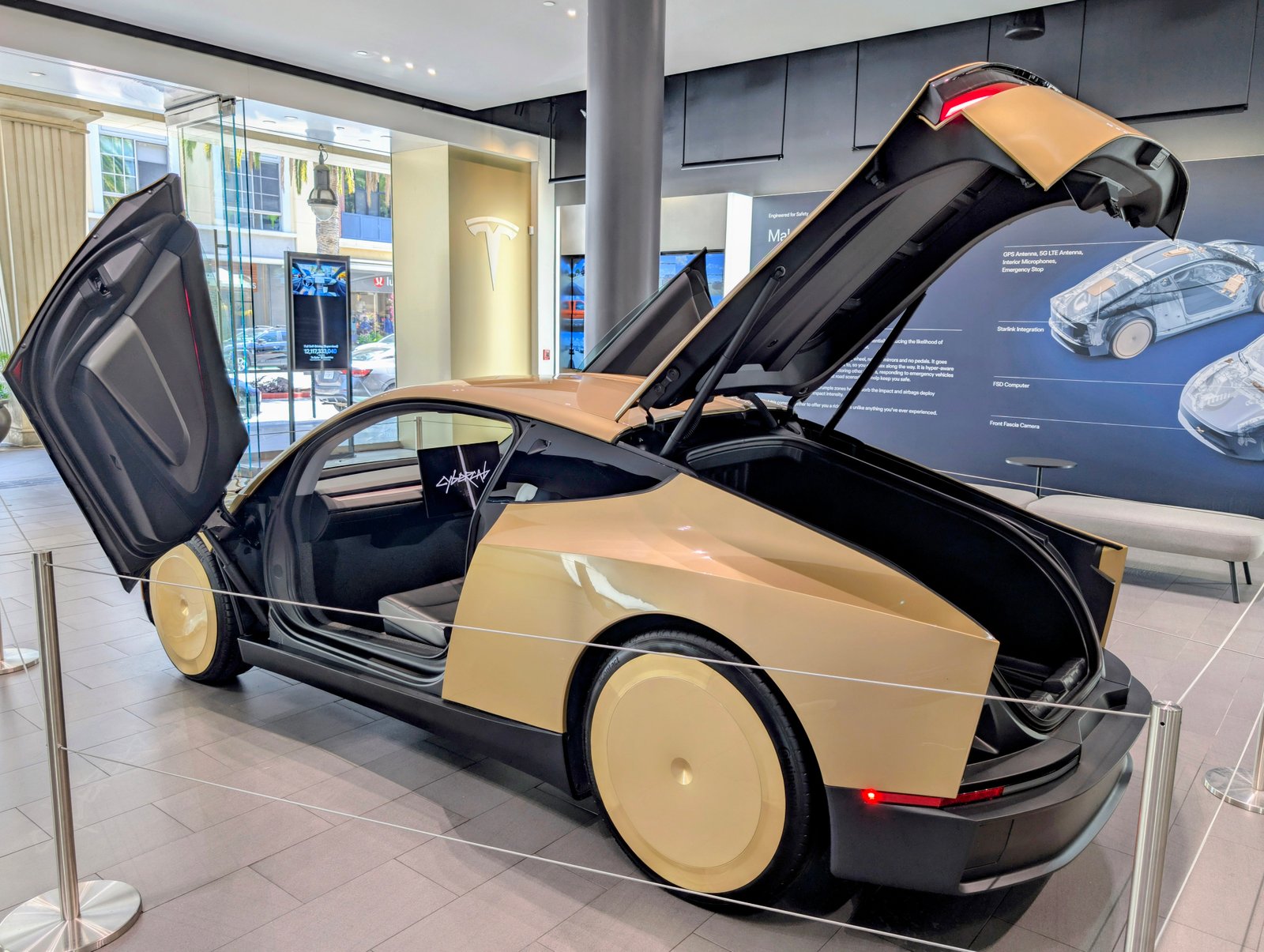
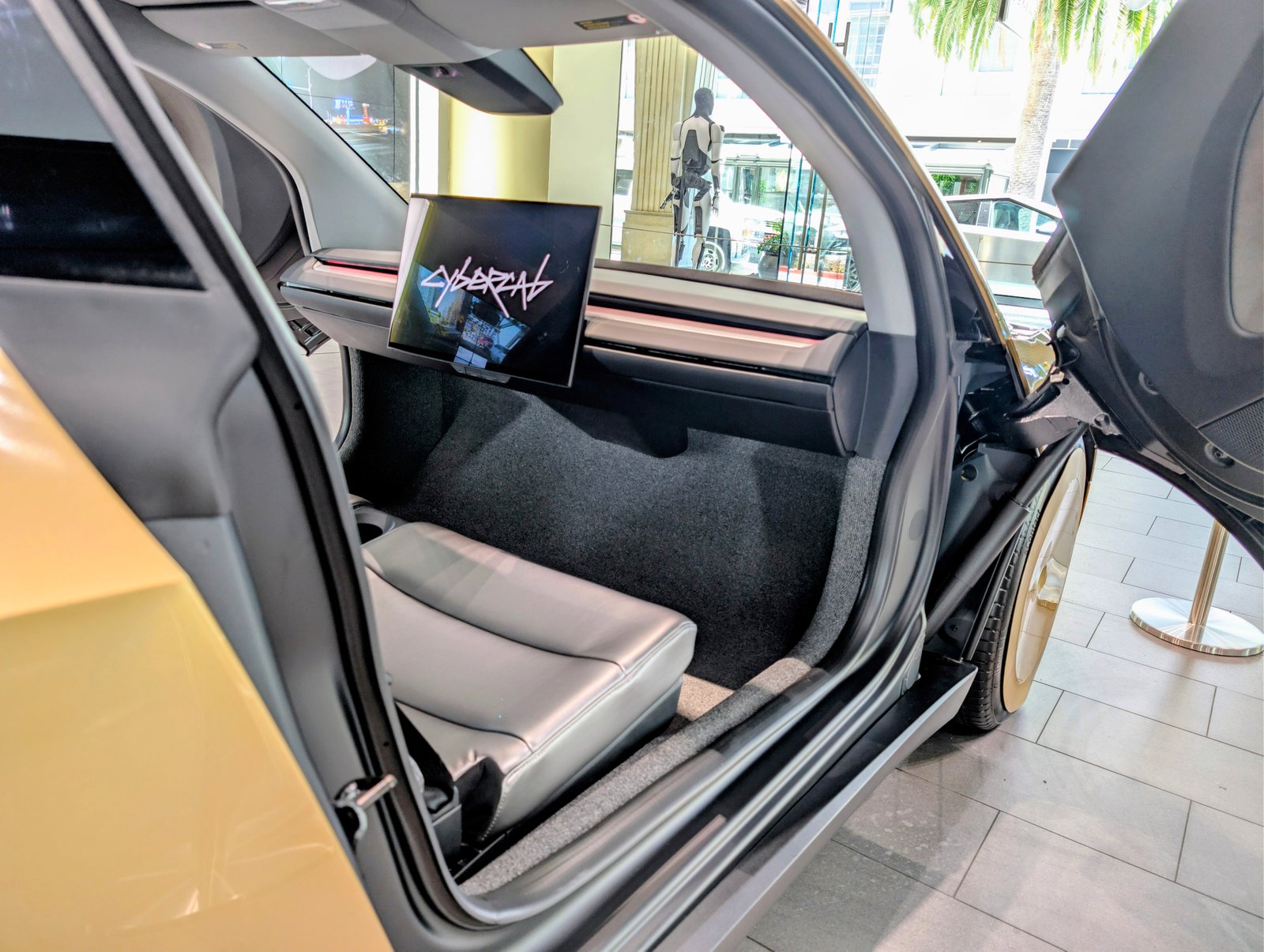
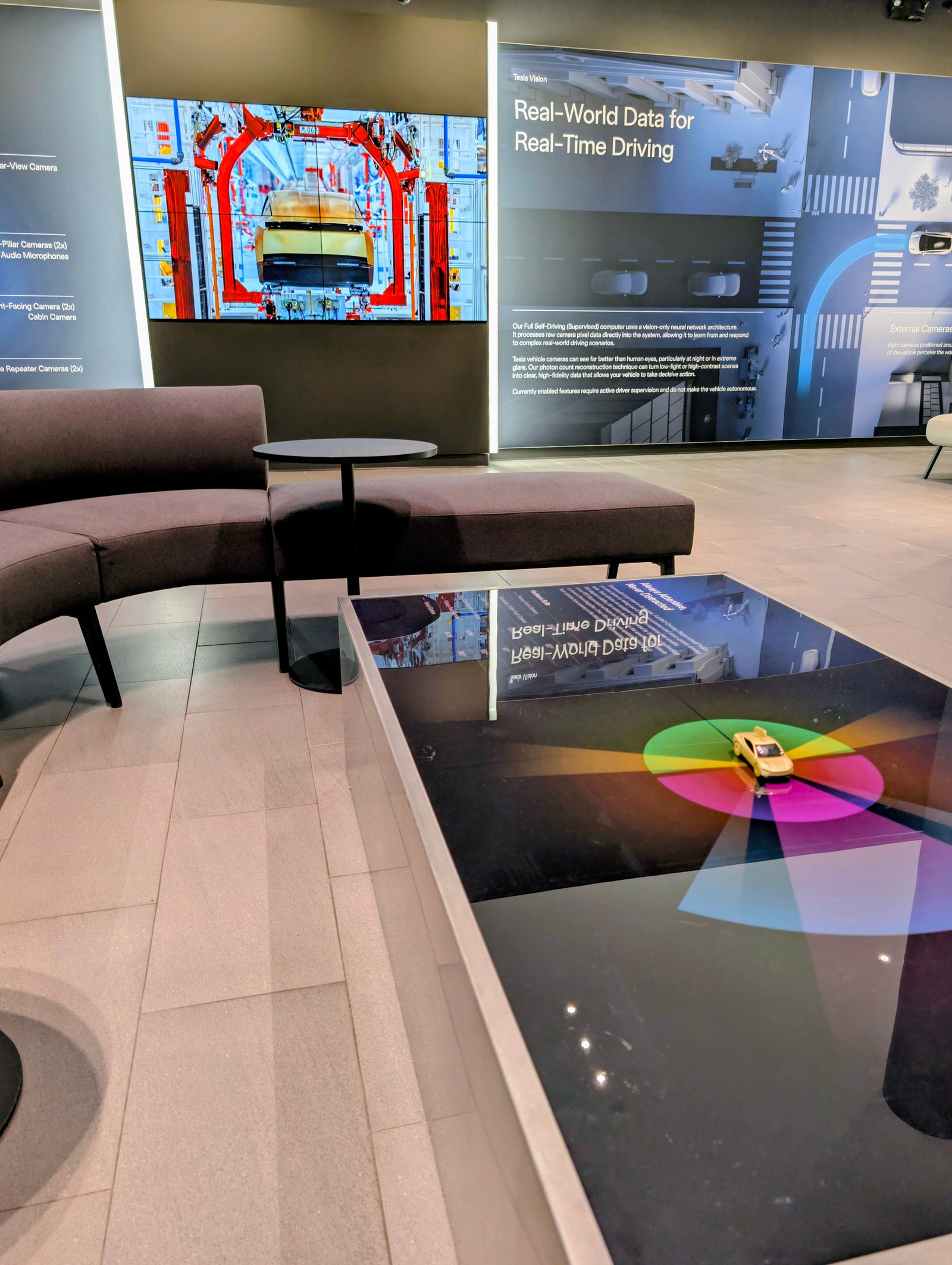
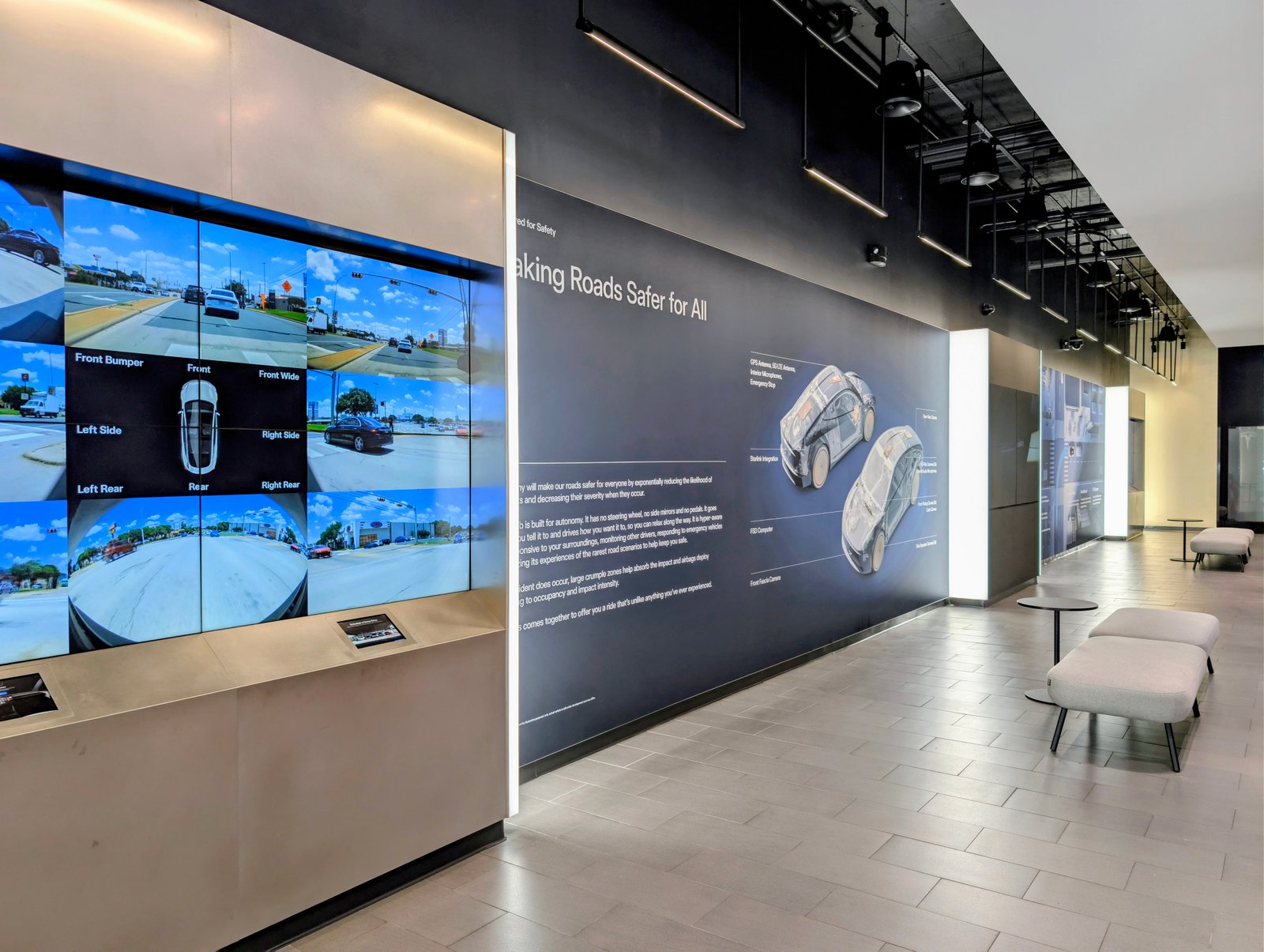
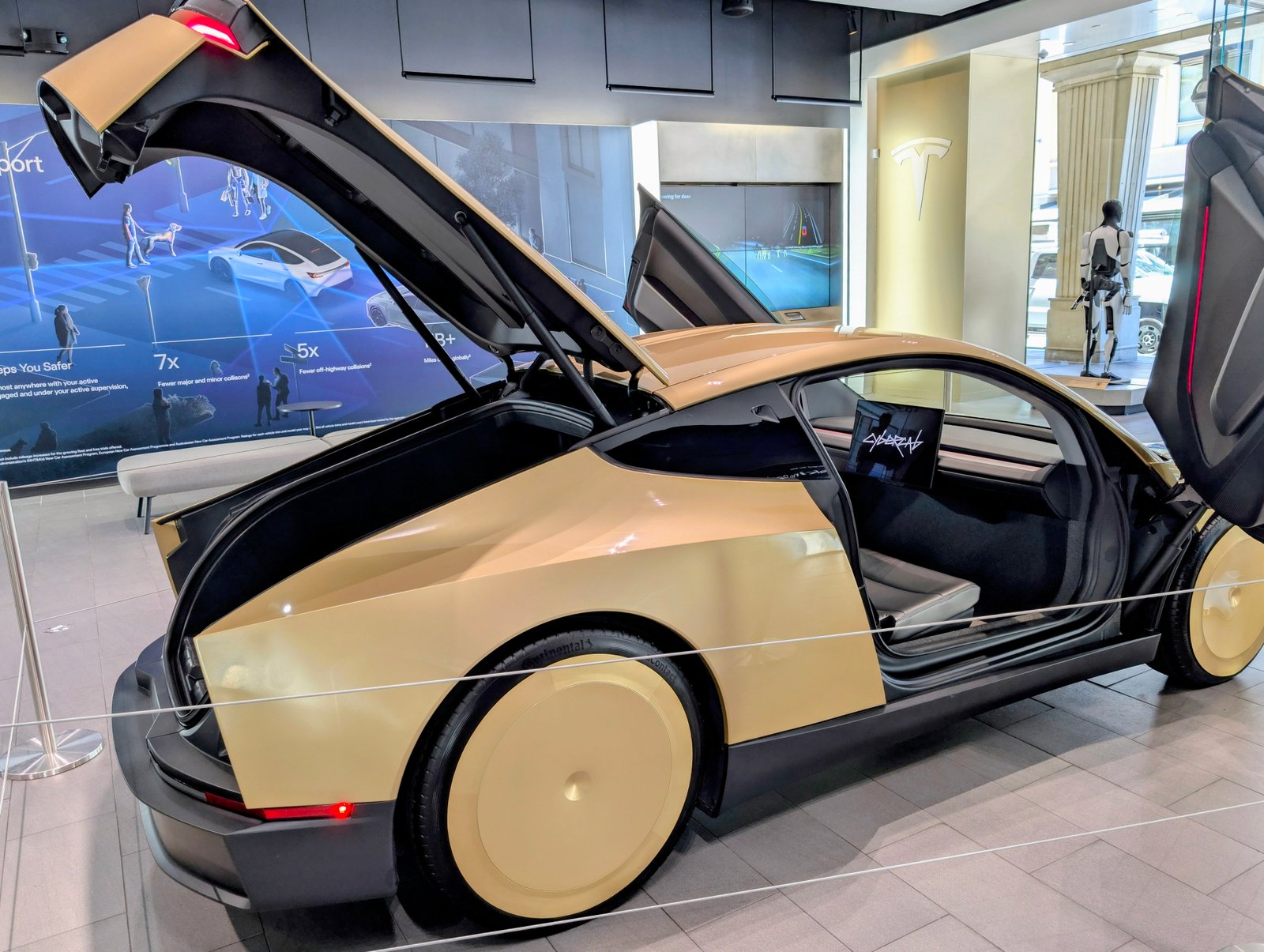
Walk into Tesla's Santana Row location in San Jose today and you are not buying a Model Y. The store reopened this week with one focus and one focus only — robotaxi and the Cybercab. We have exclusive photos from inside, and it is exactly as clean and futuristic as you would expect from Tesla when they are trying to make a statement.
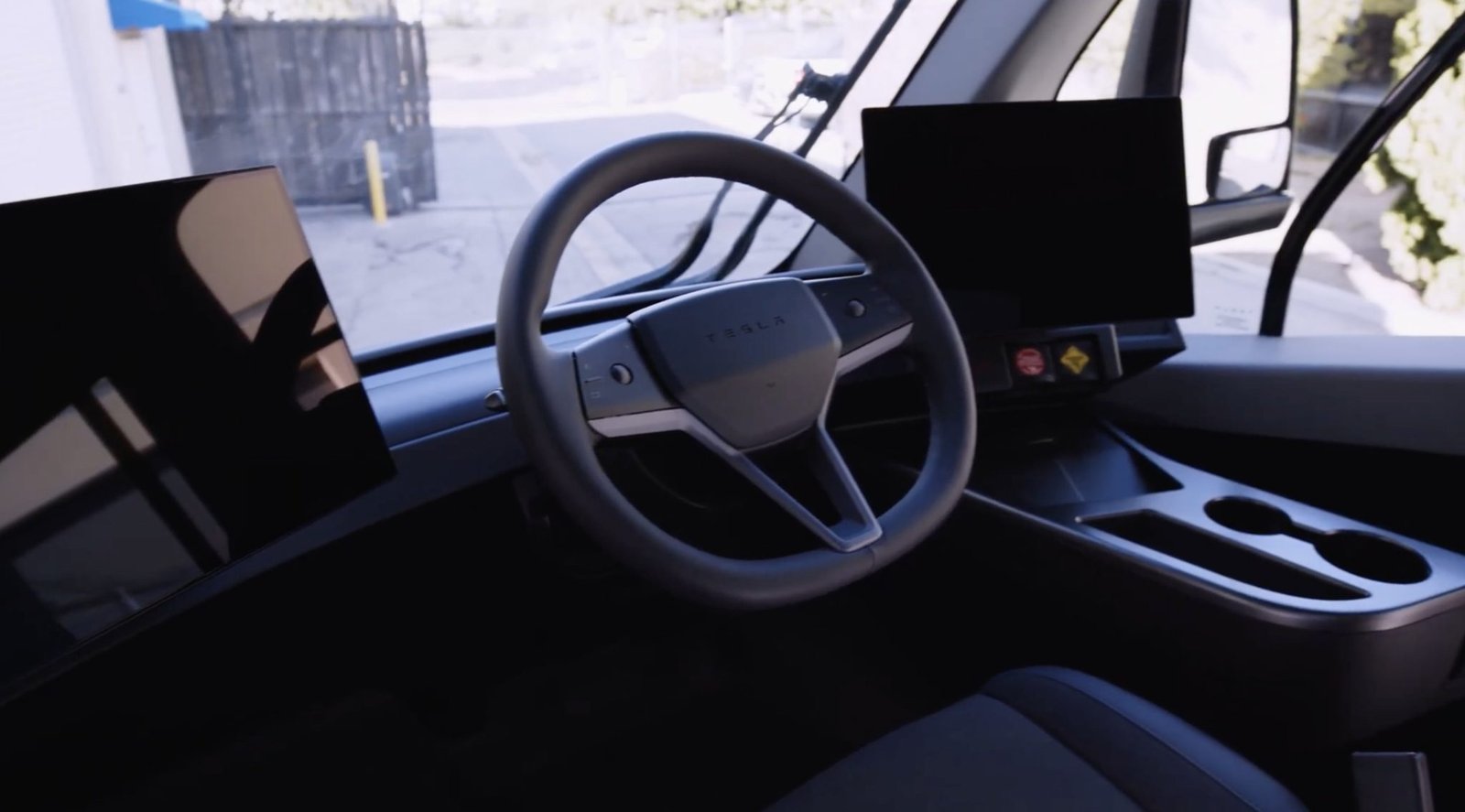
The car on the floor is the production model — not the We, Robot show car from October 2024, not a prototype wrapped in camouflage. This is the real thing. Frameless windows, butterfly doors, no steering wheel, no pedals, updated front lightbar, redesigned wheel covers. If you are in the Bay Area and have not gone to see it in person yet, the address is 333 Santana Row, San Jose. Go. San Jose already has some of the most active Cybercab sightings in the country and now you can see one up close without waiting for it to roll past you at an intersection.
The showroom is built around four distinct exhibits answering the questions Tesla has been fielding since the Robotaxi reveal. Safety data, FSD stats, connectivity hardware, and the car itself. It is less of a dealership and more of a museum for the autonomous future.
Starlink V5 Is Built Into the Roof — But Not for What You Think
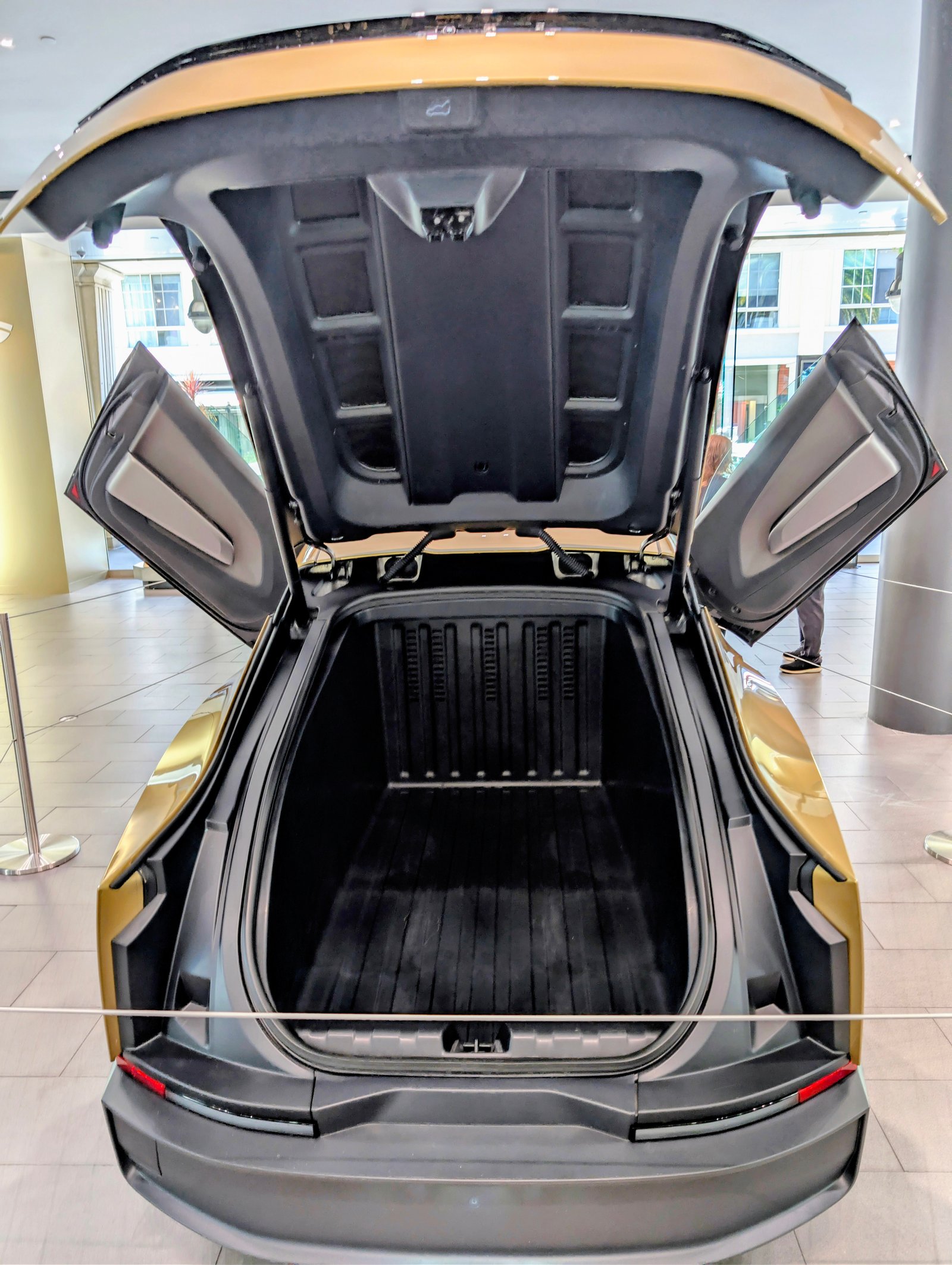
This is the headline everyone got wrong at first. Tesla revealed this week that the Cybercab comes with an integrated Starlink V5 satellite dish built directly into the hatchback roof alongside eight external cameras, an FSD computer, GPS, and 5G LTE antennas. The schematic is on display right there at Santana Row, and the community spotted it immediately.
Every comment section on the internet immediately went to the same place — sick, passengers get space internet for the ride. Makes sense. Two-seater, no driver, nothing to do but scroll.
Except that is not what it is for. Tesla AI Chief Ashok Elluswamystepped in to clear it up: connectivity is for navigation, customer service, and fleet management. Not passenger entertainment. The satellite link keeps Tesla connected to every car in the robotaxi fleet at all times so they can troubleshoot issues, reach riders if something goes wrong, or resolve problems remotely. The Starlink dish is a lifeline between Tesla's ops team and the vehicle not a WiFi hotspot for your commute.
That said, the infrastructure is there. And once the fleet management side is locked in, it would not take much for Tesla to flip on passenger connectivity as a feature. That decision is just not the priority right now.
If this sounds familiar to Tesla Semi fans it should. Tesla Semi sits in a similar position where constant fleet connectivity matters enormously for long-haul logistics operators who need real-time diagnostics, route updates, and remote support across thousands of miles of highway. The same Starlink V5 integration on the Semi could give fleet operators that always-on connection that trucking companies have been asking for. The Cybercab is essentially proving out the infrastructure that will scale across every autonomous Tesla vehicle that follows.
250 Cybercabs Sitting at Giga Texas Right Now
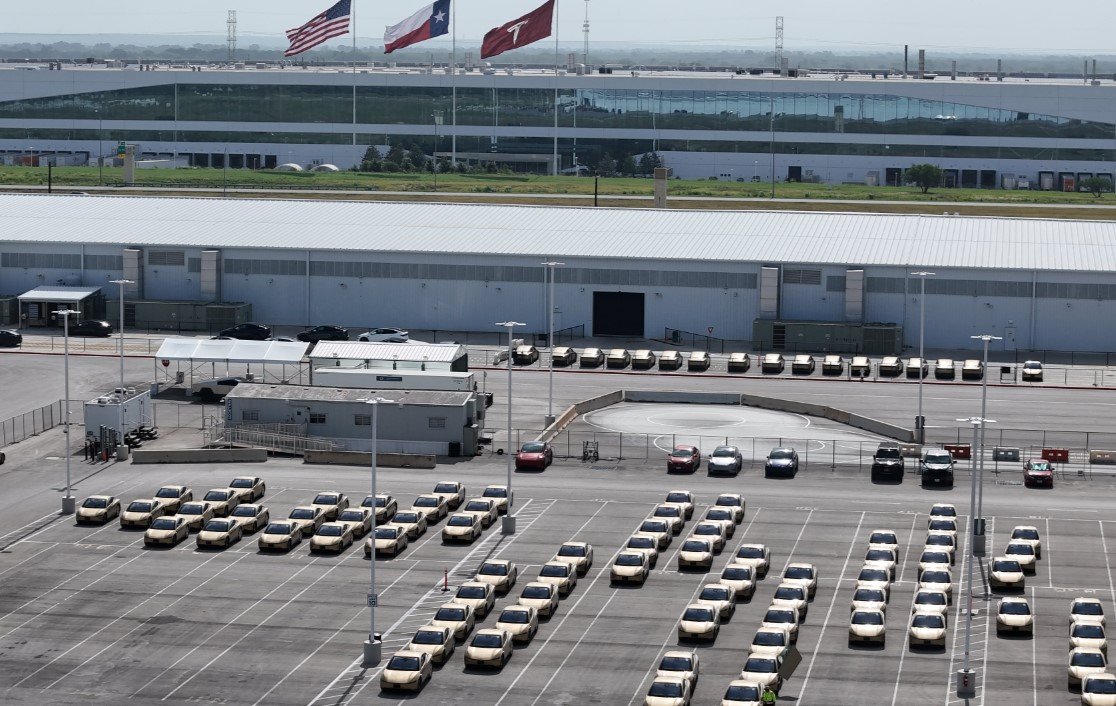
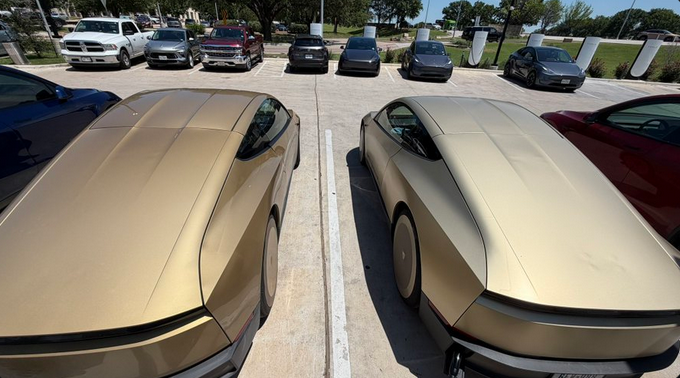
While Santana Row is making the Cybercab feel real on the retail side, the production side is making it feel real in a completely different way. Drone footage captured this week shows nearly 250 Cybercabs staged in the outbound logistics lot at Gigafactory Texas lined up in rows, gold finish catching the light, waiting for final software checks or regulatory clearance before hitting service zones.
For context: earlier this year there were dozens. Now there are hundreds. The ramp is happening. These are not test mules. These are finished production units. Austin,TX leads our community sighting Leaderboard with 16 verified sightings logged and that number is going to keep climbing as more units roll out of those staging lots.
The Fleet Is Already in Florida
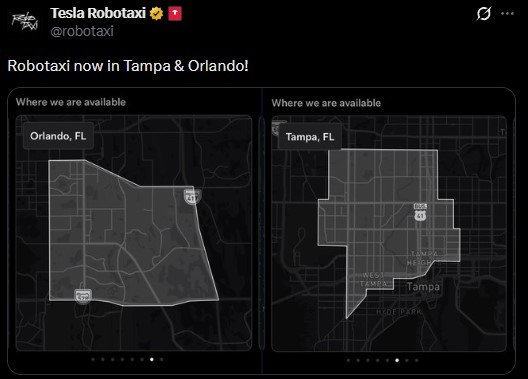
One more thing that dropped today that deserves its own moment — Tesla has expanded its Robotaxi service to Orlando and Tampa, Florida. That is on top of the existing rollout in Miami, Austin, Dallas, and Houston. The fleet in Florida is currently Model Y vehicles, but the Cybercab is being trialed on public roads as the transition to the purpose-built robotaxi accelerates.
If you are in Tampa or Orlando and spot one add your sighting to the MAP]. We want to be the first tracker to document every Florida Cybercab in the wild.
The Regulations Are Catching Up Too
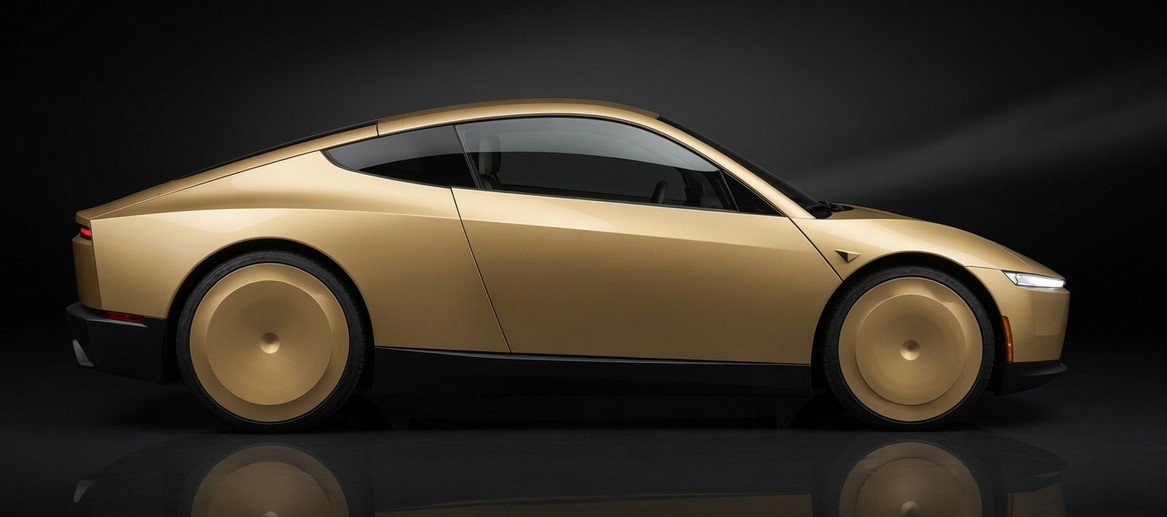
The timing is not accidental. NHTSA this week began formal rulemaking to remove the requirement for manual brake pedals in vehicles designed exclusively for autonomous operation which is exactly what the Cybercab is. The current regulation requires hand- or foot-operated brake controls. The proposed change removes that requirement for AVs while keeping the same stopping distance performance standards through updated testing methods.
NHTSA Administrator Jonathan Morrison framed it directly the regulatory framework is being rebuilt for the era of self-driving. Manufacturers will be able to self-certify their vehicles without the red tape that has slowed autonomous deployment. This is the legal runway the Cybercab needs to scale beyond Texas.
What This All Means
Today is one of those days where everything moves at once. A production Cybercab on the showroom floor in San Jose. Starlink V5 built into the roof for fleet ops. 250 units staged at Giga Texas. Service expanding to Florida. Federal regulations being rewritten for autonomous vehicles.