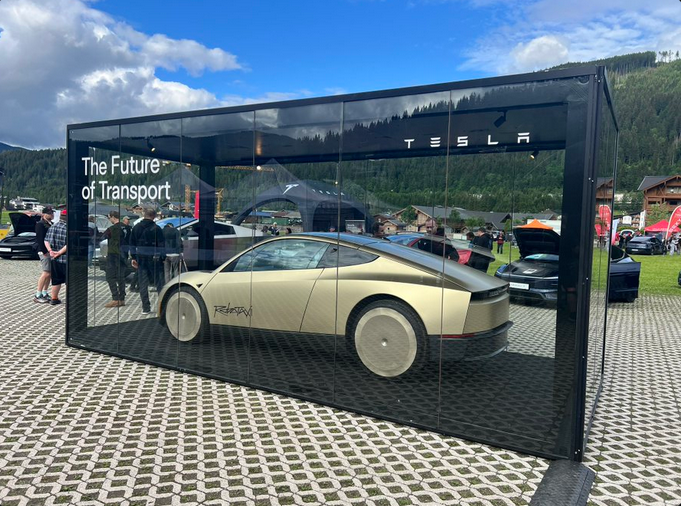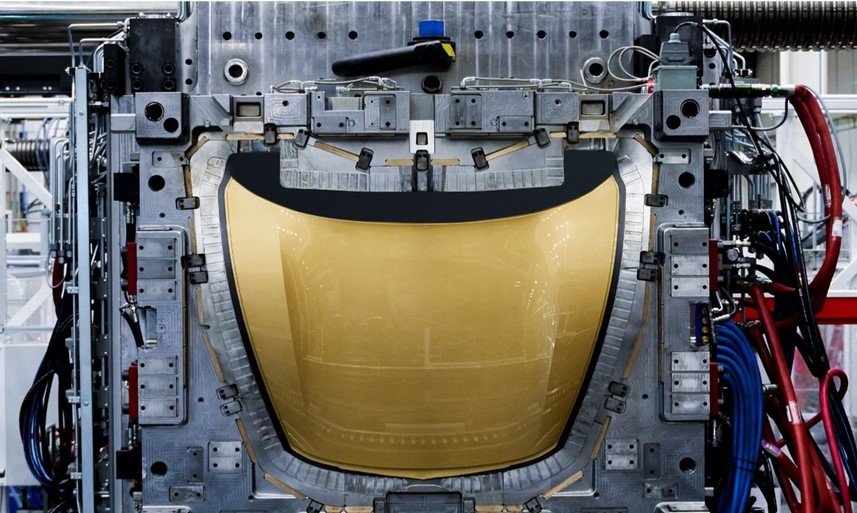
Thermoplastic Injection Molding vs. Reaction Injection Molding ... Tesla's Cybercab Innovation
Tesla just released the 2025 Impact Report and we finally get the official process that is used for manufacturing the now iconic exterior panels used on the Cybercab. Instead of Thermoplastic Injection Molding, Tesla has used a similar, but slightly different process called Reaction Injection Molding.
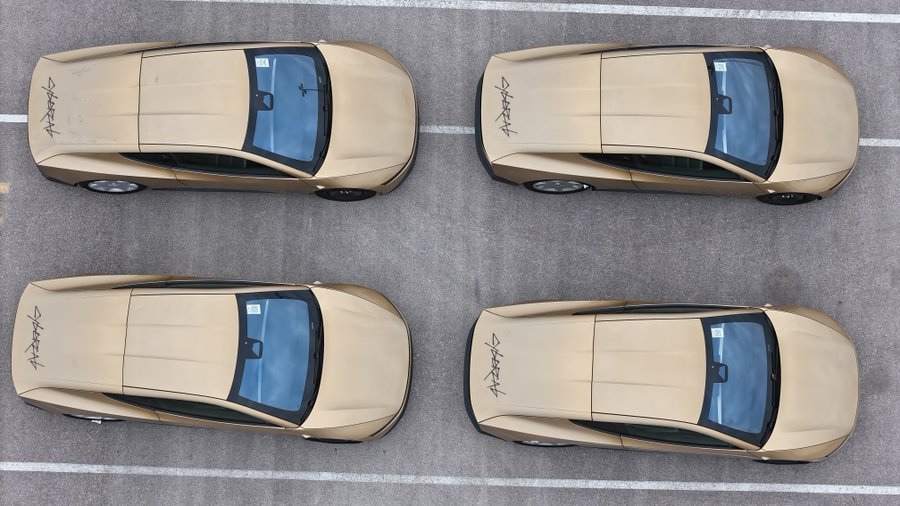
Manufacturing plastic parts for vehicles has evolved significantly. Two key processes ... thermoplastic injection molding and reaction injection molding (RIM) ... enable high-quality, complex components. Tesla leverages these techniques, particularly RIM, in its innovative approach to the Cybercab robotaxi.
Understanding the Processes
Thermoplastic Injection Molding (PIM) melts solid thermoplastic pellets (e.g., ABS, PVC, or nylon) at high temperatures and injects the molten material into a mold under very high pressure. The part cools and solidifies physically. This reversible process allows material recycling by reheating. It supports fast cycle times and high-volume production of detailed, smaller-to-medium parts with tight tolerances and in-mold coloring options.
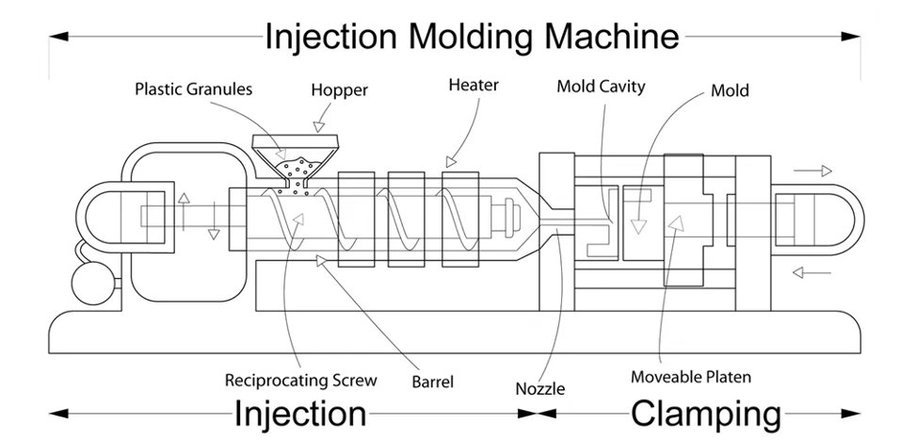
Reaction Injection Molding (RIM) mixes two or more low-viscosity liquid reactive components (commonly polyol and isocyanate for polyurethanes) just before injection. The mixture is injected at much lower pressure into the mold, where an exothermic chemical reaction cures the material into a thermoset polymer. Once cured, the part cannot be remelted due to irreversible cross-linking. RIM excels with large, lightweight parts, varying wall thicknesses, and structural foam options.
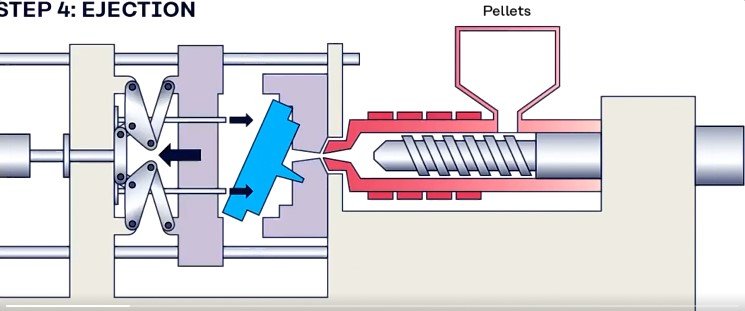
Key Differences
Materials: Thermoplastics (remeltable) vs. thermosets (chemically cured, more heat/chemical-resistant). Pressure & Tooling: High-pressure steel molds for PIM vs. lower-pressure, often aluminum molds for RIM (lower cost, faster tooling). Cycle Times & Volumes: Faster for high-volume PIM; slower but flexible for lower-to-medium volume or large RIM parts. Design Flexibility: RIM handles larger parts and flow over long distances better due to low viscosity.Tesla's Innovative Use of RIM in Cybercab Production
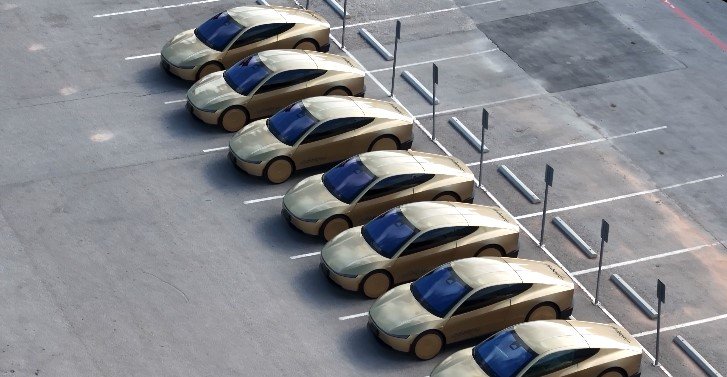
Tesla's 2025 Impact Report highlights RIM as a cornerstone of Cybercab manufacturing innovation. The Cybercab is the first Tesla vehicle designed to completely eliminate the traditional paint shop. Polyurethane body panels are produced via RIM, with color and finish integrated directly during the molding process (aka Molded-in-Color or MIC).
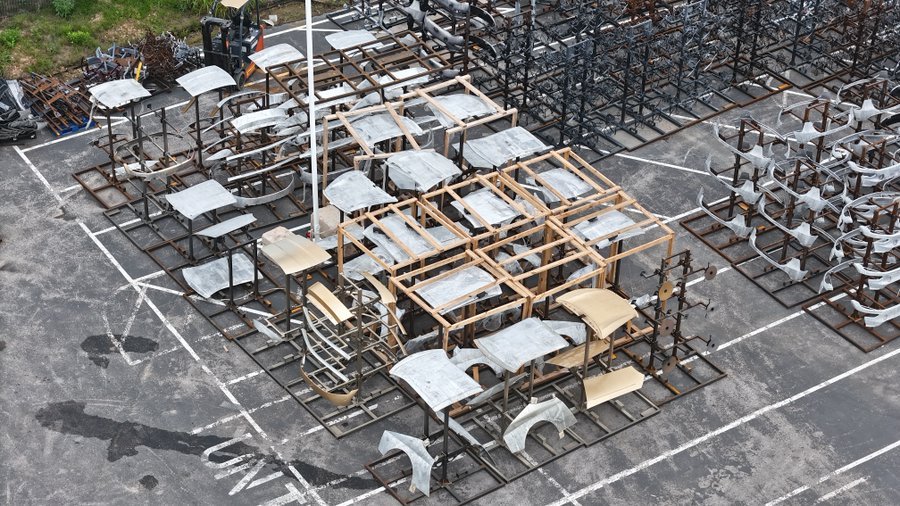
This approach delivers major benefits:
Cycle time reduction: From hours (traditional painting) to minutes. Emissions cuts: 35% lower supply chain and manufacturing GHG emissions; complete elimination of volatile organic compound (VOC) emissions from painting. Cost and complexity savings: No need for sanding, masking, drying, or curing lines. It removes an entire factory building's worth of infrastructure and millions in costs. Panels are ultrasonically welded, aligning with Tesla's "unboxed" manufacturing strategy.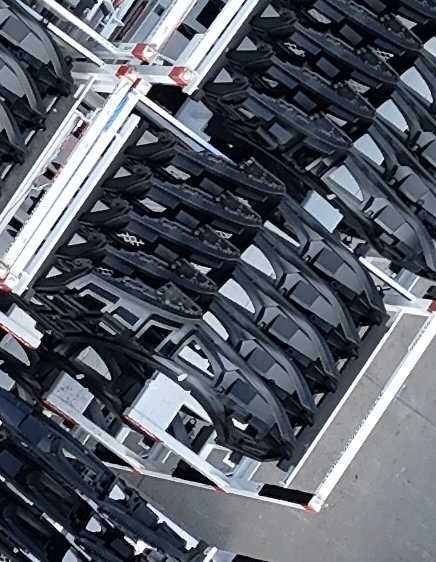
The Cybercab incorporates 4680 battery cells, steer-by-wire, 48-volt architecture, and other efficiencies. RIM panels support its purpose-built robotaxi design for the Robotaxi fleet, projecting nearly halved emissions per mile compared to Model 3/Y. Real-world FSD data from 2025 further underscores efficiency gains.
Conclusion
Thermoplastic injection molding remains ideal for high-volume precision parts, while RIM offers unique advantages for large, integrated, and color-in-mold components. Tesla's adoption of RIM for the Cybercab exemplifies forward-thinking manufacturing that reduces environmental impact, costs, and complexity... advancing the transition to abundant, autonomous mobility. As detailed in the 2025 Impact Report, this innovation positions Cybercab as a cornerstone of Tesla's Robotaxi future. Article compiled with public manufacturing knowledge and Tesla's 2025 Impact Report and First Responders Manual. Drone imagery by Joe Tegtmeyer.
For the latest sightings --> SIGHTINGS For the latest SPECS ---> SPECS Props to Joe and his generous energy to the Tesla community Cheers - MrJavierJose on X