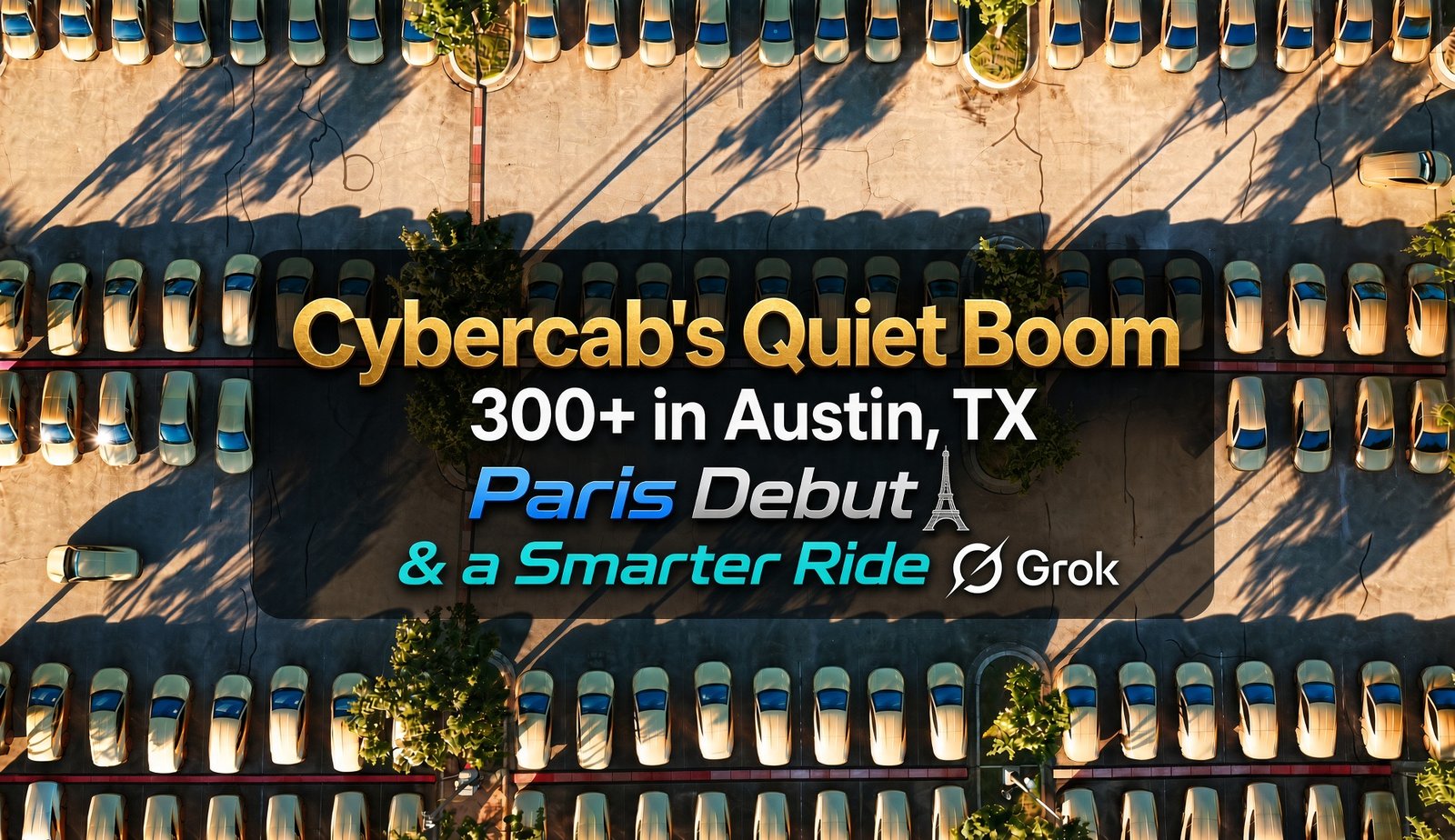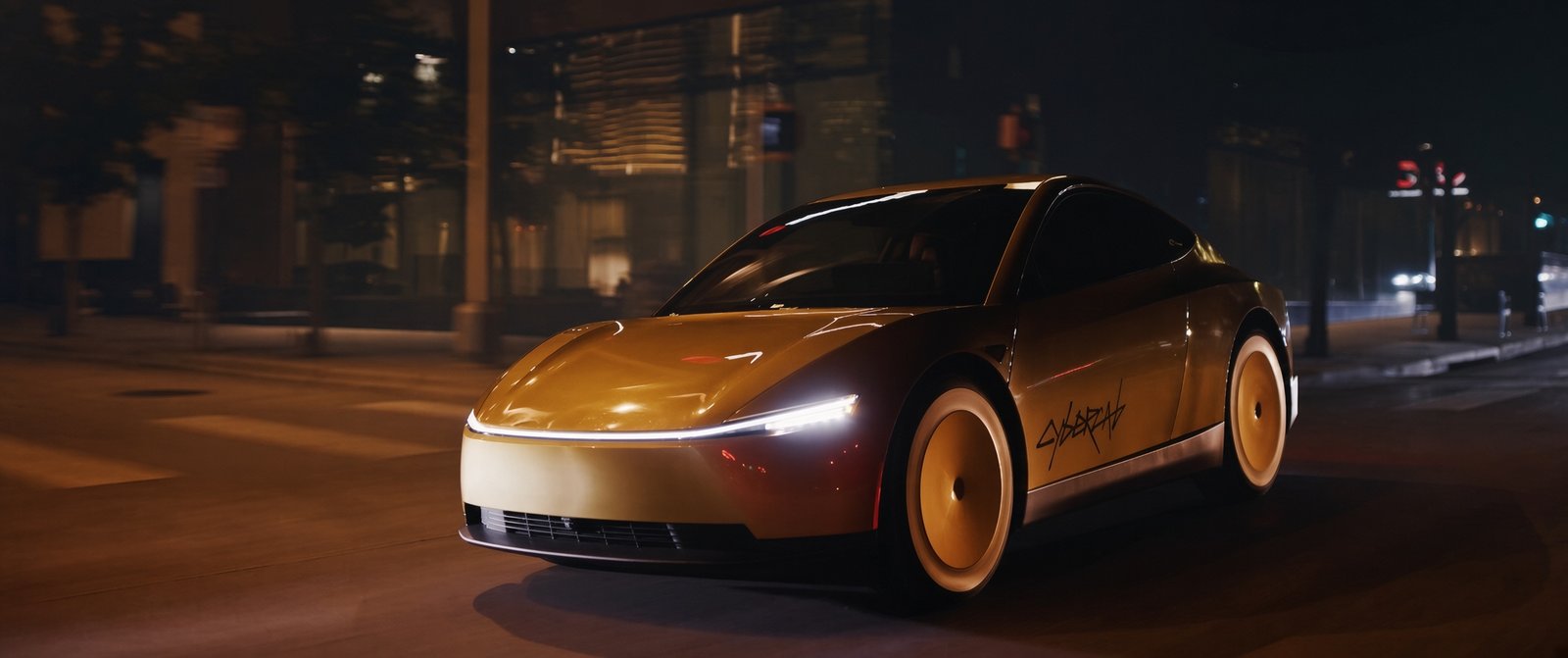
Two seats. Butterfly doors. Zero steering wheel. Everything from Tesla's Austin Cybercab launch — footage, specs, fares, sightings, and the storm after.
At the Austin launch, Tesla's engineering and design leads unveiled the finished Cybercab and confirmed the fleet has now passed one million miles of unsupervised robotaxi operation, calling it the result of 12 years of self-driving development. They detailed the car's camera-only, AI-first driving stack, its accessibility features built with disability groups and first responders, and a "second living room" cabin experience with Grok voice integration and app-based personalization.
Tesla's own promo built around the Cybercab makes one claim front and center: this is designed to be the safest vehicle they've ever put on the road. No driver error possible, no distracted human behind the wheel, because there's no wheel to be distracted from.
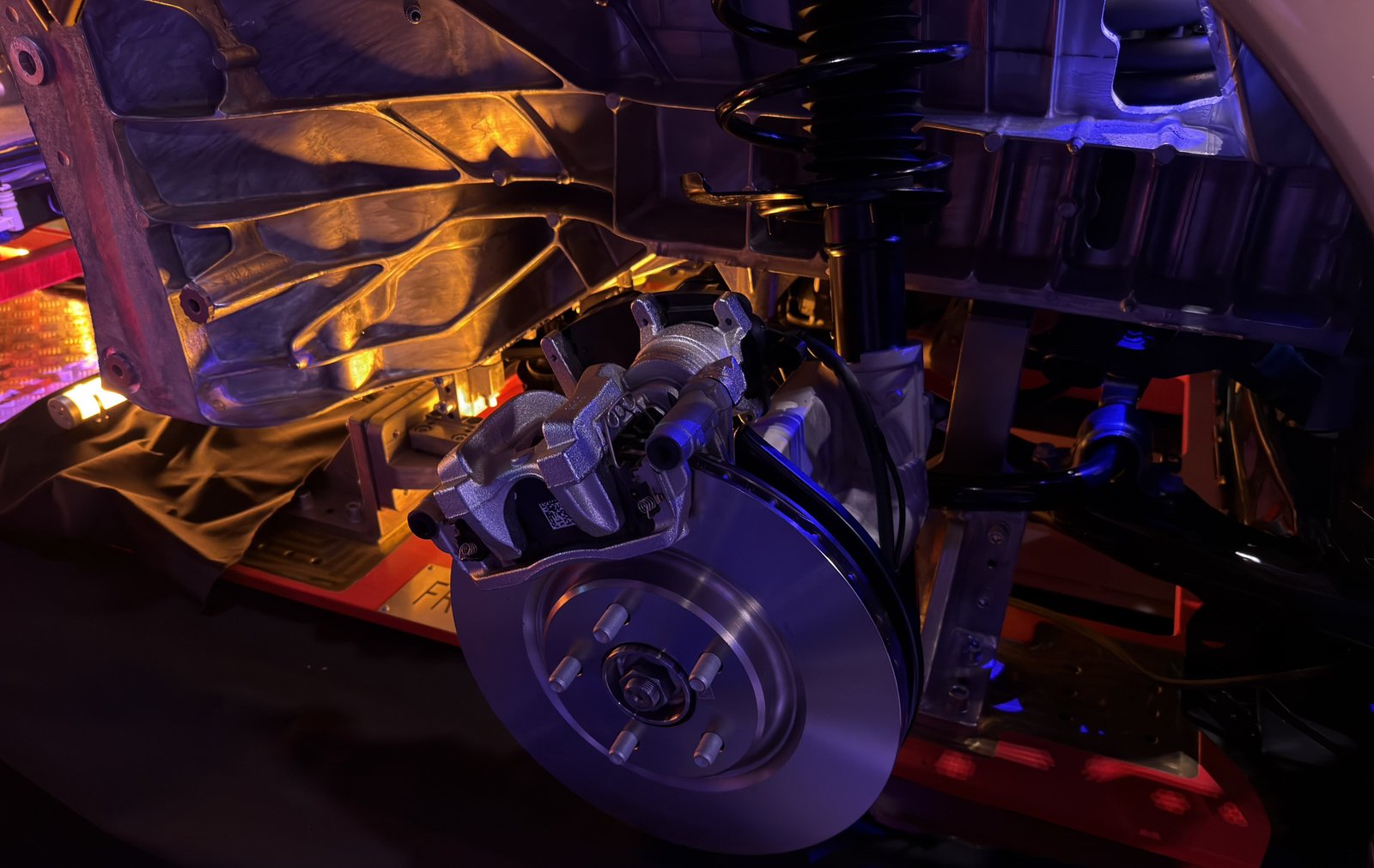
Cybercab is the first Tesla to ship with a fully electronic brake-by-wire system — no hydraulic brake fluid line at all. Every other Tesla on the road today still runs a traditional hydraulic brake circuit as a backup layer. Cybercab replaces it entirely with electronic actuation, lighter and with fewer points of failure over the vehicle's life.
Tesla engineered a purpose-built audio system for the Cybercab's two-seat cabin rather than adapting a system from an existing model. The ambient interior lighting is tied directly to the music — the light bar and cabin accents pulse and shift in sync with whatever's playing.
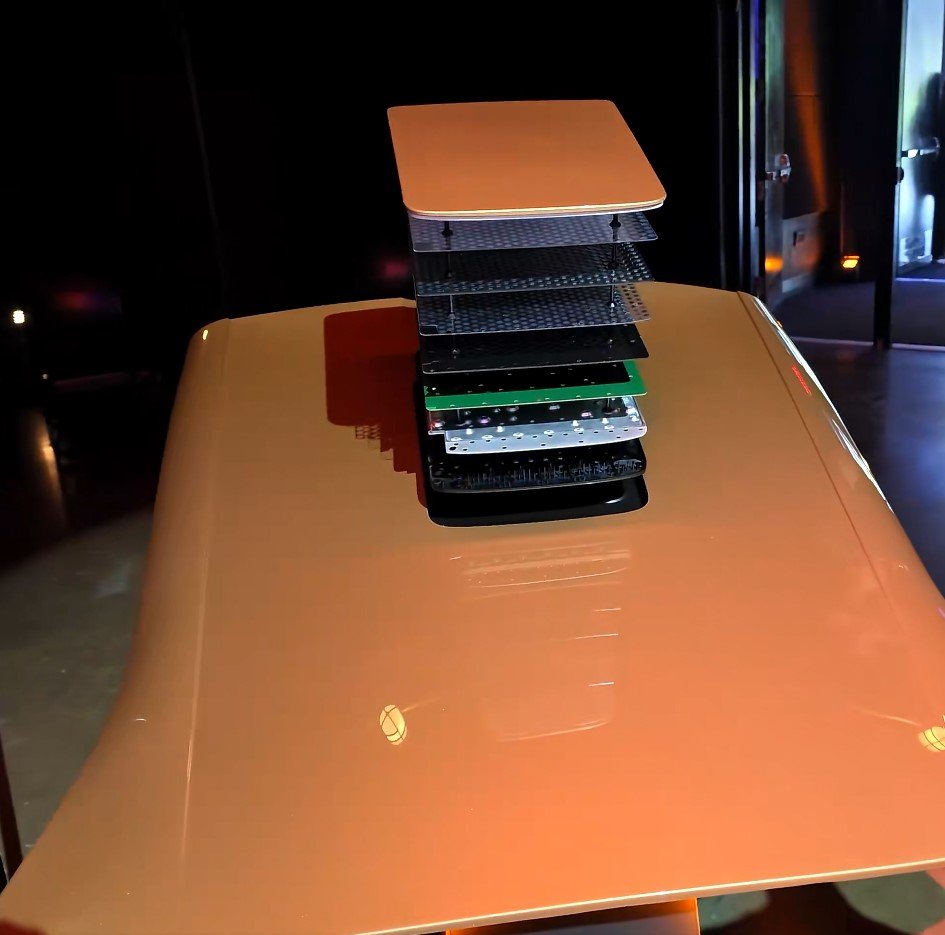
We covered this in depth when it first surfaced — Cybercab ships with an integrated Starlink V5 satellite terminal built into the roof. Tesla's Head of AI Ashok Elluswamy confirmed the connection exists primarily for navigation, fleet management, and customer service — keeping Tesla in constant contact with every car in the fleet, not streaming your commute.
Read our full breakdown: Tesla Cybercab just got a gold Starlink dish — 245 of them are already sitting in parking lots across America →
Cybercab's in-cabin display and interaction design were built using Epic Games' Unreal Engine — the same real-time 3D engine behind major video game titles — rather than a typical automotive UI toolkit.
Under the skin, Cybercab runs on Tesla's latest compute hardware — the same processing backbone driving FSD across the fleet, tuned for a car that has to make every driving decision itself with no human fallback.
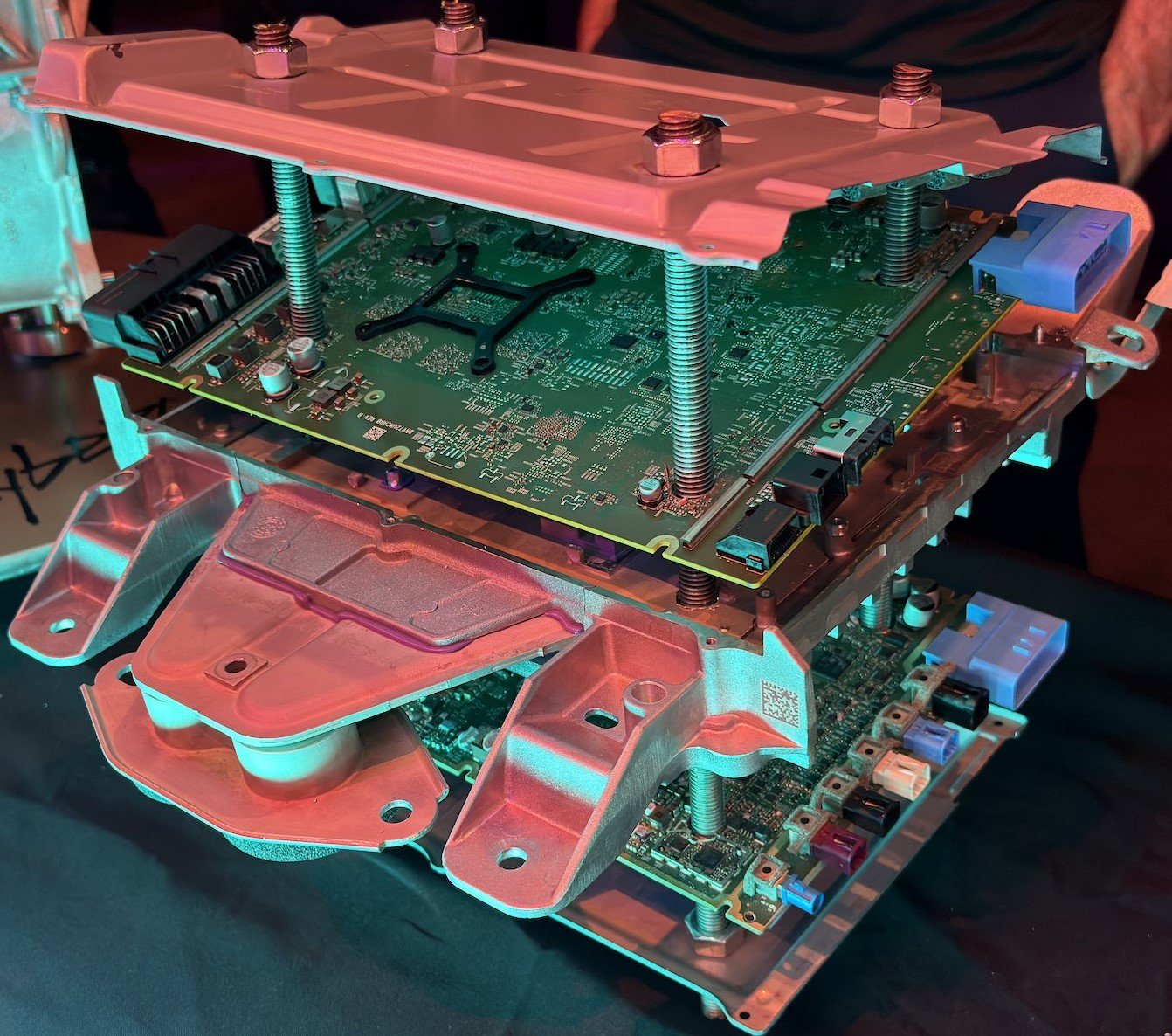
Cybercab is the first Tesla to use the company's next-generation Supermanifold V3 thermal system — a redesign that strips out unnecessary refrigerant valves and lines and consolidates the high- and low-voltage controllers into a single module.
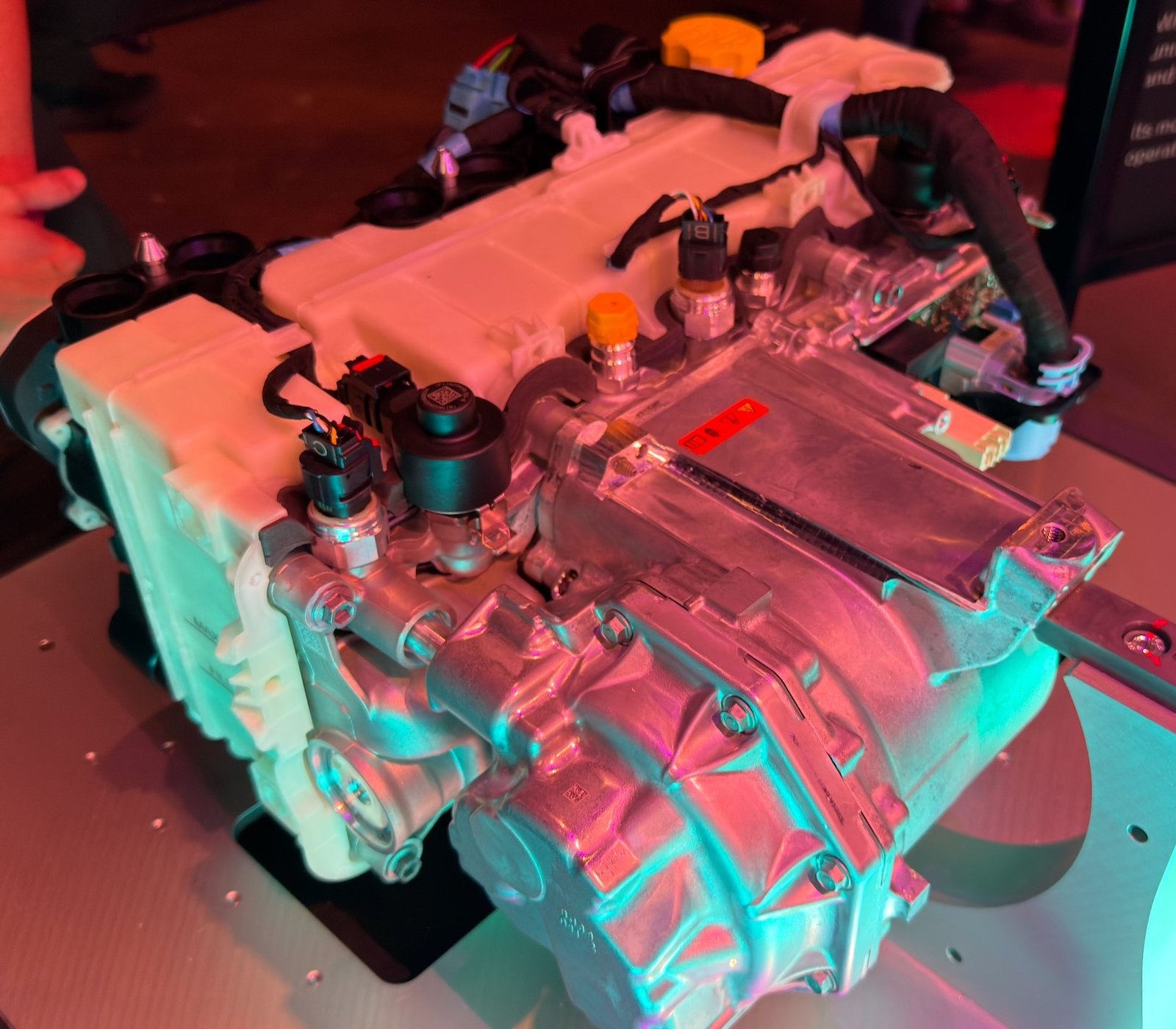
While the attendees & patrons were filing into the Launch Event, hours before the start time, Jaan @theevuniverse & Simon @residentsponge from EVWire already had the Inside Scope. Jaan put out an 8 part X thread breaking down all of the latest NEWS 1st!
Jaan & Simon from EVwire are a Must Follow, they cover All EV from ALL angles for the entire industry, 1st to the news & Setting the Standard.


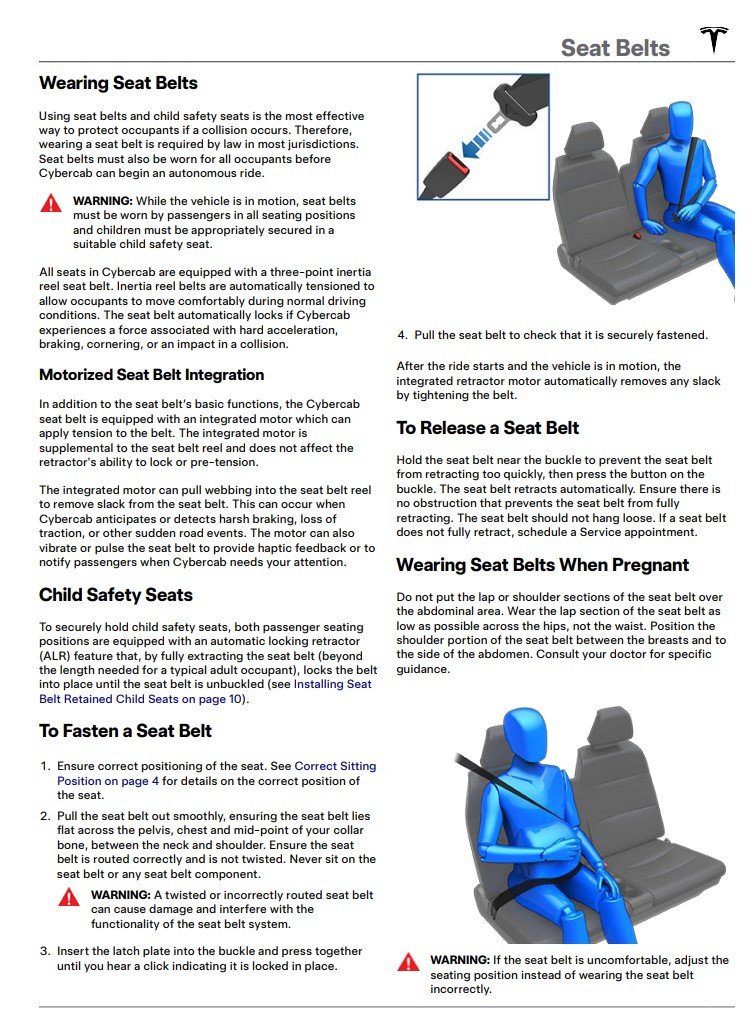
Tesla publishes a formal compliance guide for Cybercab covering how the vehicle meets Federal Motor Vehicle Safety Standards despite having no steering wheel or pedals — the exact regulatory territory NHTSA has been actively rewriting rules around this year.
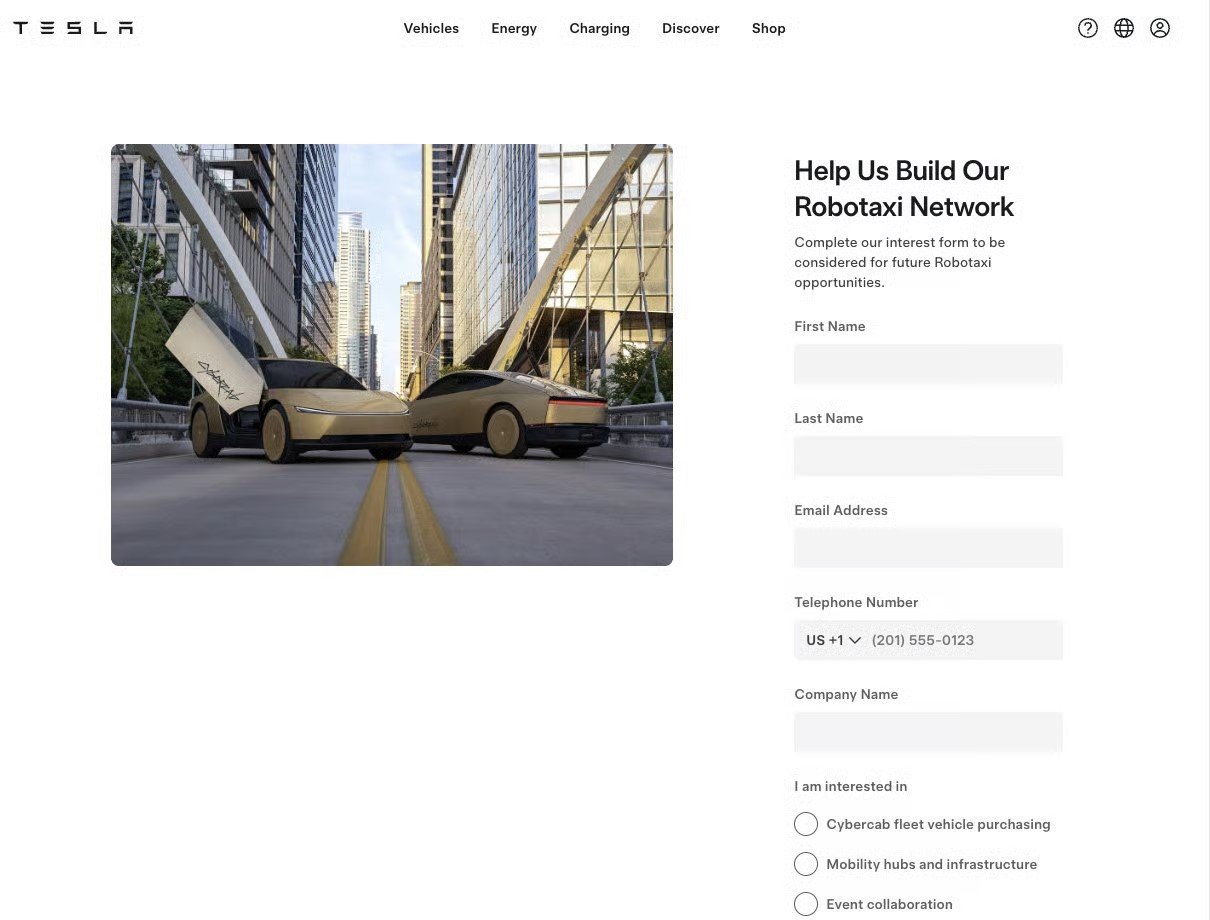
Beyond individual riders, Tesla is actively building out a network of fleet operators and partners to scale the Robotaxi service. If you're exploring what it takes to operate or invest in a Cybercab fleet, Tesla has an official interest form live now.
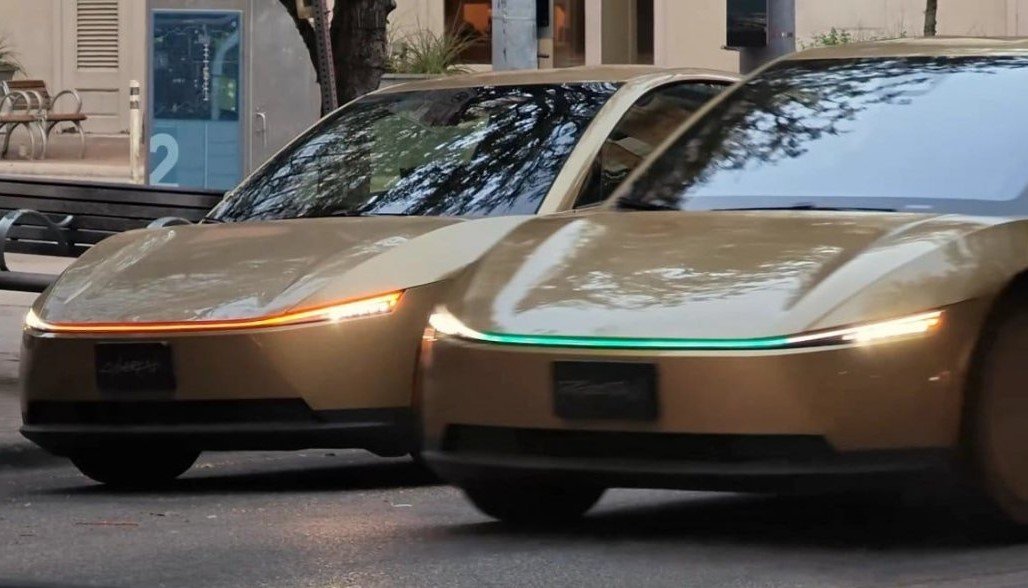
After your ride ends, Tesla uses the interior cabin camera to confirm the Cybercab is ready for its next passenger, checking whether the cabin is clean and whether anything was left behind. A green light turns on any time the camera is actively recording, so you always know when it's on. Riders can also adjust interior ambient lighting colors directly from the Tesla app — @TheEvUniverse — EVWire
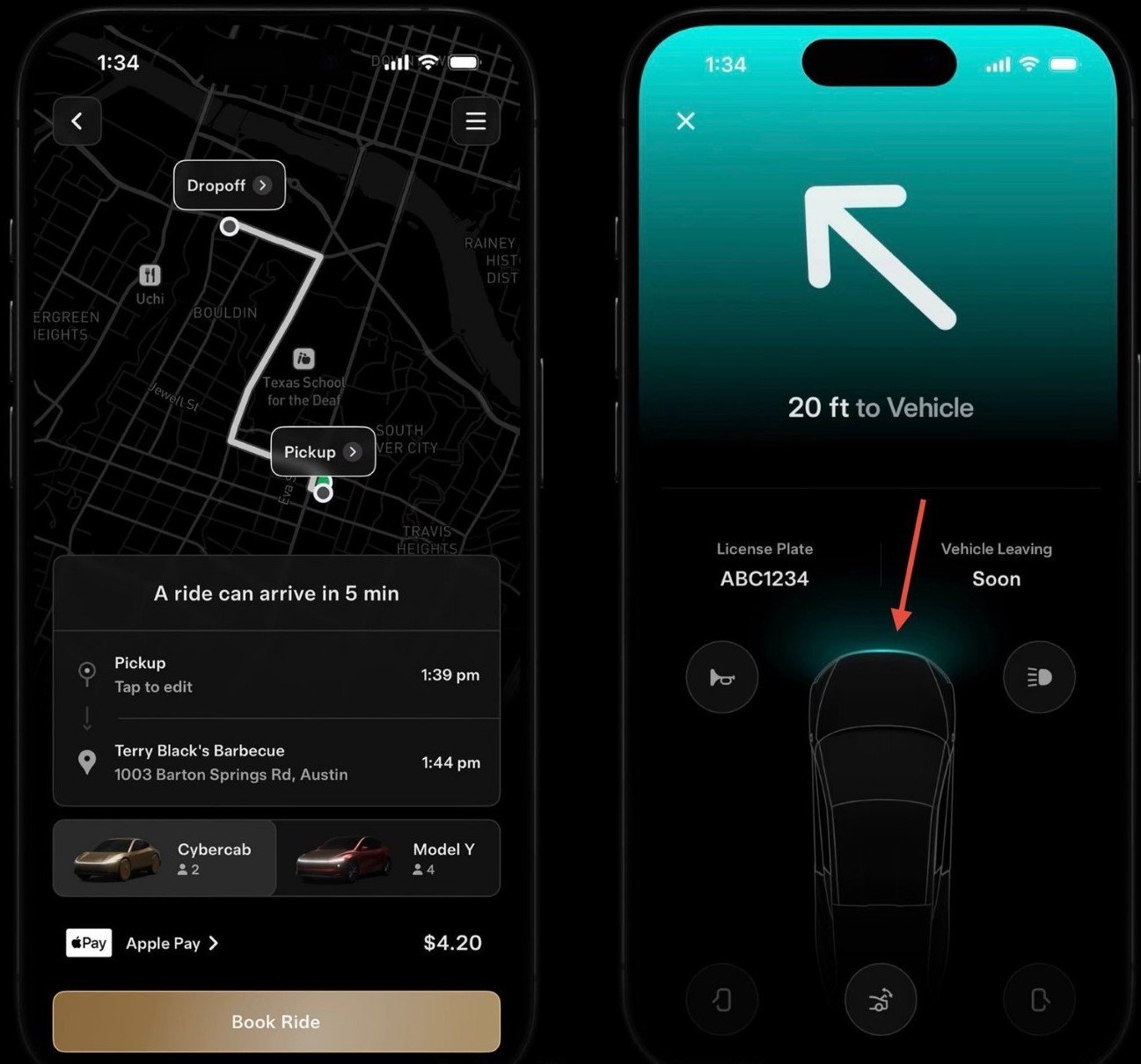
Cybercab is covered by eight external and internal cameras feeding its self-driving and cabin-monitoring systems continuously.
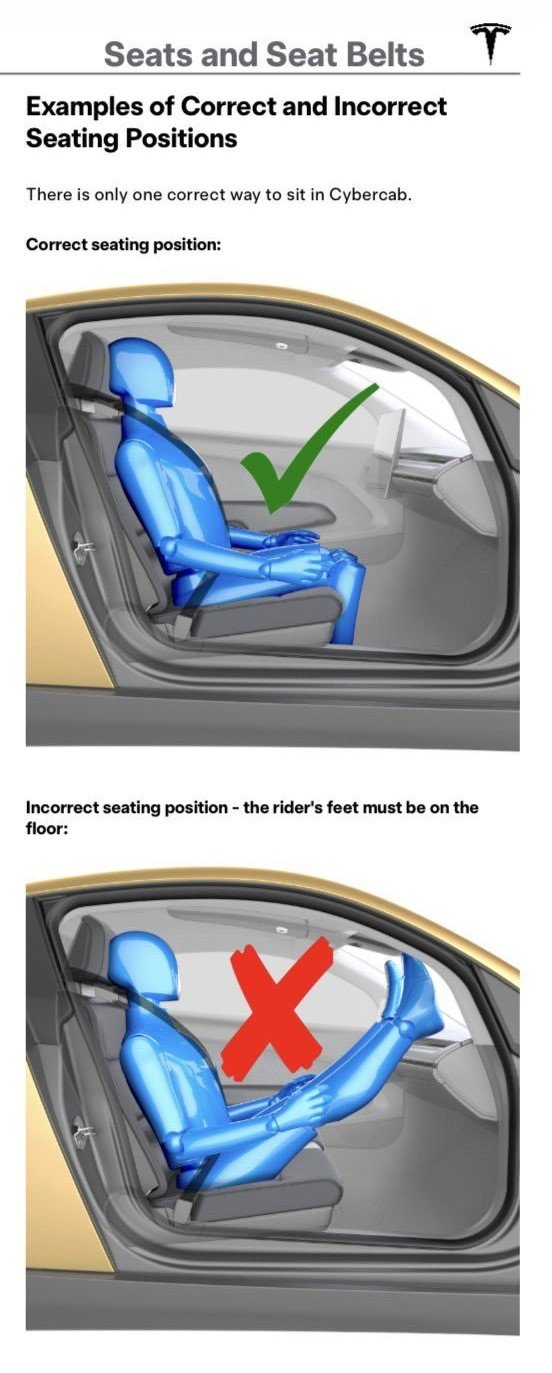
The motorized seatbelts do more than tighten automatically. They can pulse or vibrate to get a passenger's attention, and they proactively tighten the moment the car anticipates or detects harsh braking, loss of traction, or another sudden road event.
Children under 13 are not currently permitted in a Cybercab — even accompanied by an adult. Expect this to be one of the more actively revisited restrictions as Tesla expands the service.
Braille appears throughout the Cybercab cabin, including on interior touch points and controls — spelling out "CYBERCAB" here the same way it's marked in the car. For riders who are blind or have low vision, and for passengers with a range of physical disabilities, this is one of the small but deliberate details that make an unsupervised, driverless ride feel usable rather than just automated.
@niccruzpatane on X — a Must Follow! Tesla Cybercab vs Uber pricing in Austin, TX for a 2.17 mile route.
Cybercab: $6.42 ($2.95 per mile)
UberX (before tip): $11.95 ($5.50 per mile)
The legend Kyle Conner @itskyleconner with a Very high level Look underneath The Cybercab, A Nerd Video.
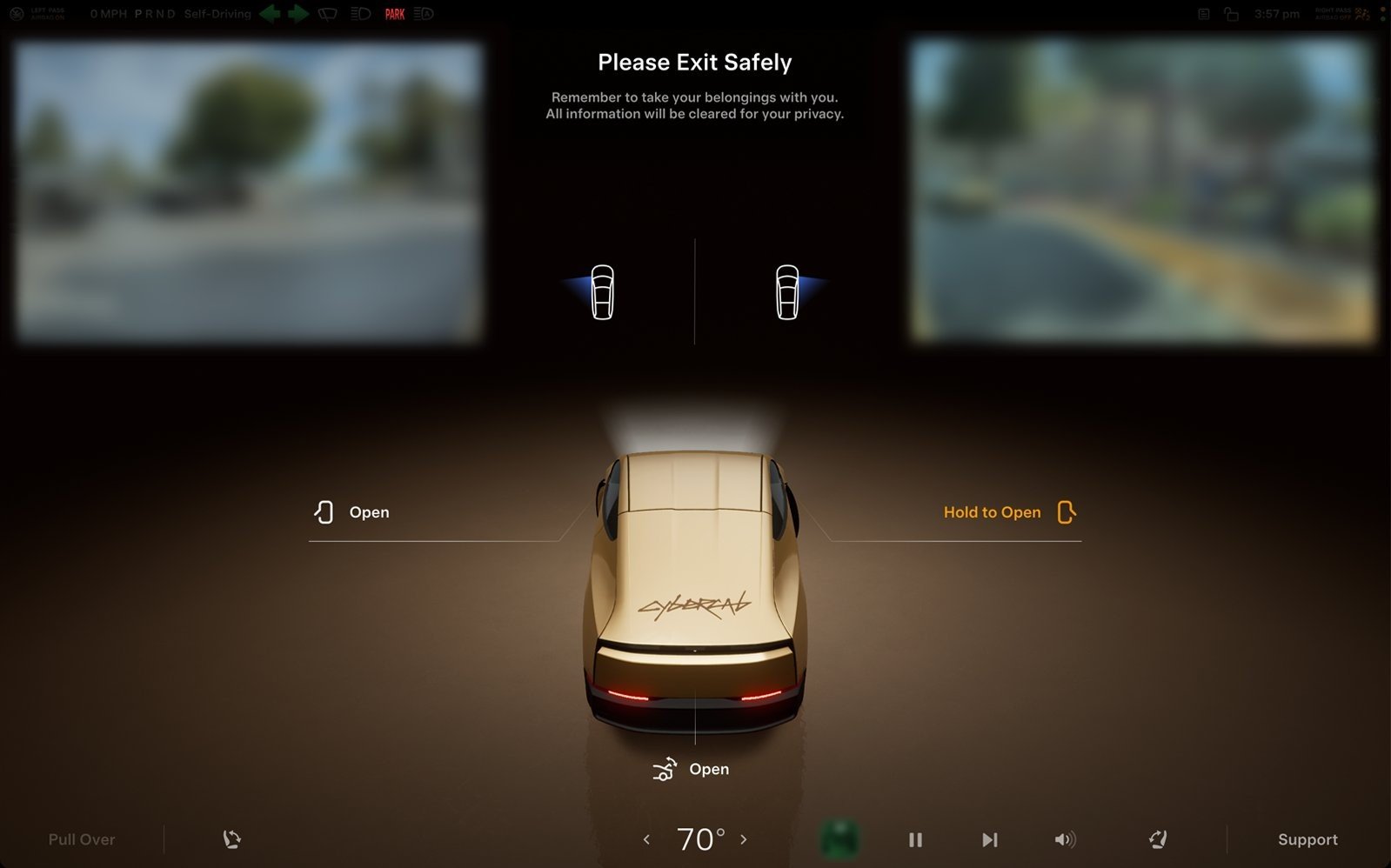
The final screen prompt before you step out — a simple, deliberate reminder that closes out every ride.
Add it to the map and help the community track exactly where the fleet is showing up.