Tesla just let Munro Live walk through the building where the Cybercab gets made, and the result is the clearest look yet at why this little gold two-seater is built differently. If you have been following our Cybercab tracker and wondering how the fleet jumped from a few dozen cars to hundreds in a matter of weeks, this walkthrough is the missing chapter. It explains how the cars get built, not just where they show up.
We turned the whole thing into a plain-English guide, and we also built a permanent page you can bookmark: the Cybercab factory tour guide, which we will keep updated as Tesla shares more.

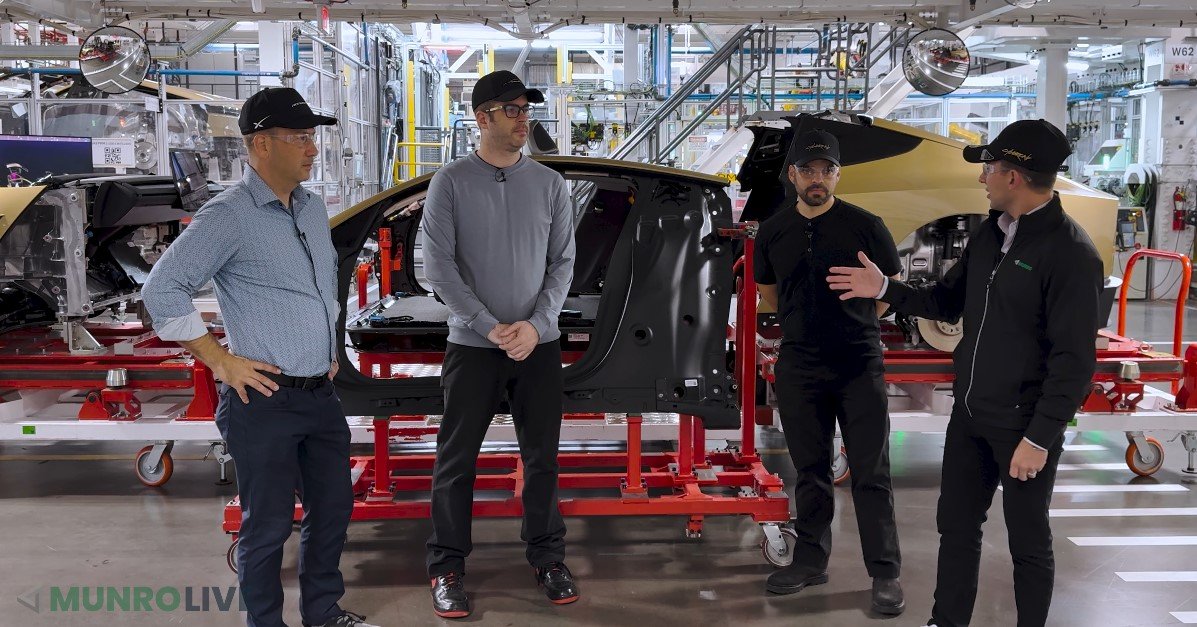
Huge thanks to the Munro Live team for putting this walkthrough together and for asking the engineers the questions the rest of us were thinking. If you want the on-the-floor detail, go watch the full thing and subscribe to @MunroLive.
Tesla Cybercab Unboxed: The Idea in Plain English
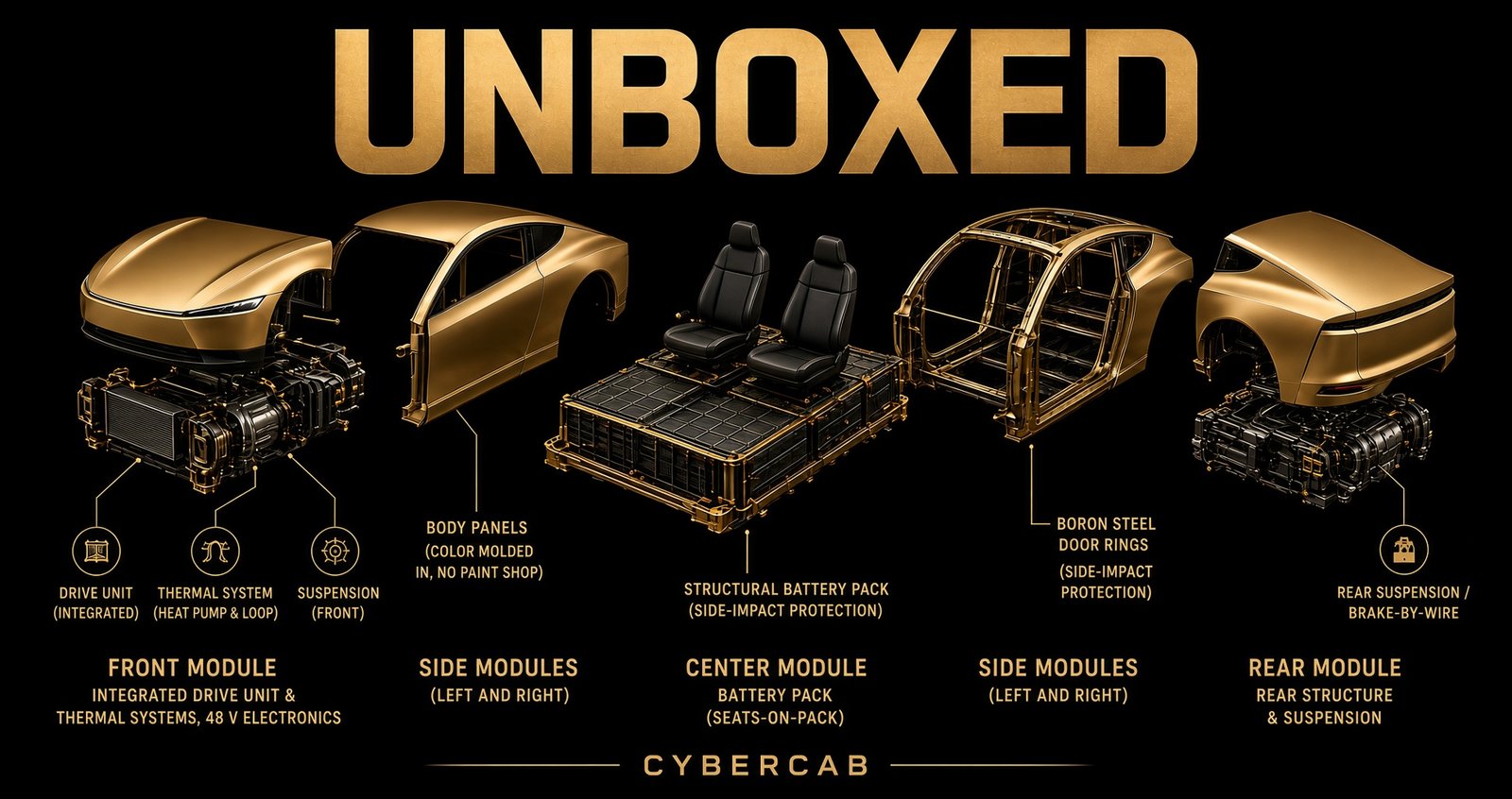
A normal car factory is one long line. A body goes in one end, and parts get bolted on in order until a finished car rolls out the other. The unboxed process breaks that habit. The Cybercab is built as separate pieces (a front module, two side modules, a rear module, and a center section with the seats mounted on the battery), and each piece gets assembled and tested on its own before they come together late in the process.
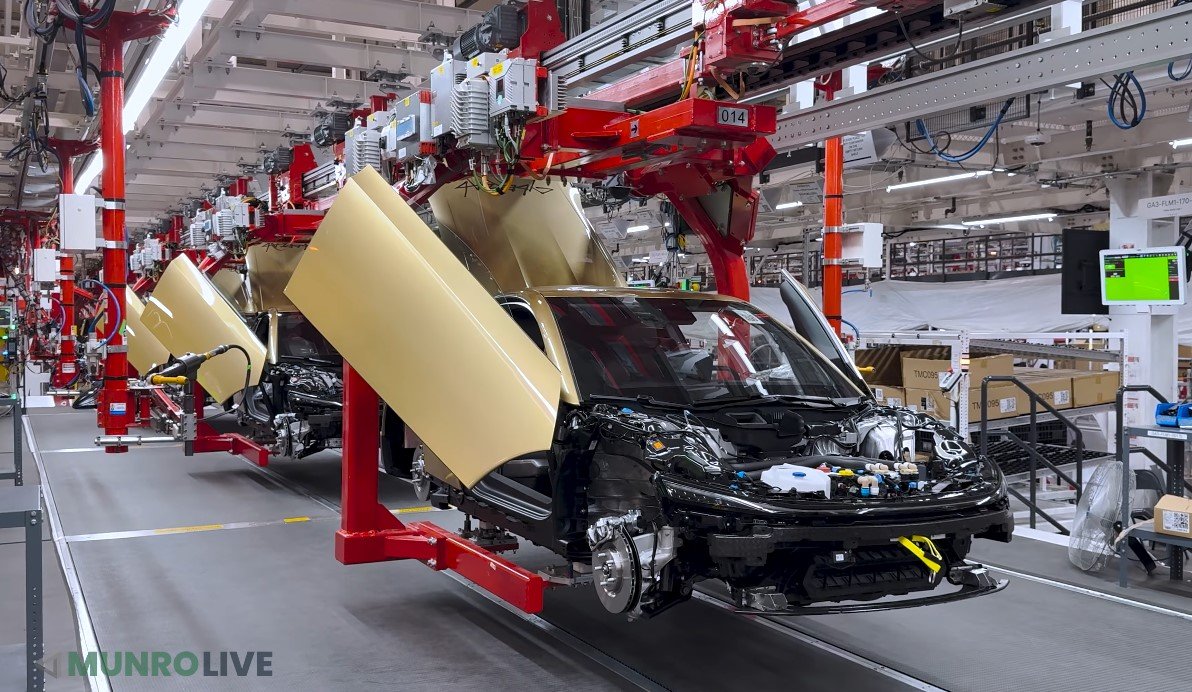
Why bother? Smaller pieces mean robots can reach in from every angle, people do not have to contort inside a half-built body, and a problem gets caught on a bench instead of at the end of the line. Tesla says the approach cuts the floor space per vehicle by about half, and Lars Moravy, Tesla's VP of vehicle engineering, described final assembly as roughly 25 fully automated stations. A typical Model Y line has five to ten times that. Overall the Cybercab line is about 78% automated, the framing line is already fully automated, and the stated goal is 100% with a 10-second cycle time.
The team also said the design, manufacturing, and automation engineers all sit together, so nobody hands a drawing over a wall and hopes for the best. You can feel that in the hardware choices below.
What Is Inside the Cybercab: Module by Module
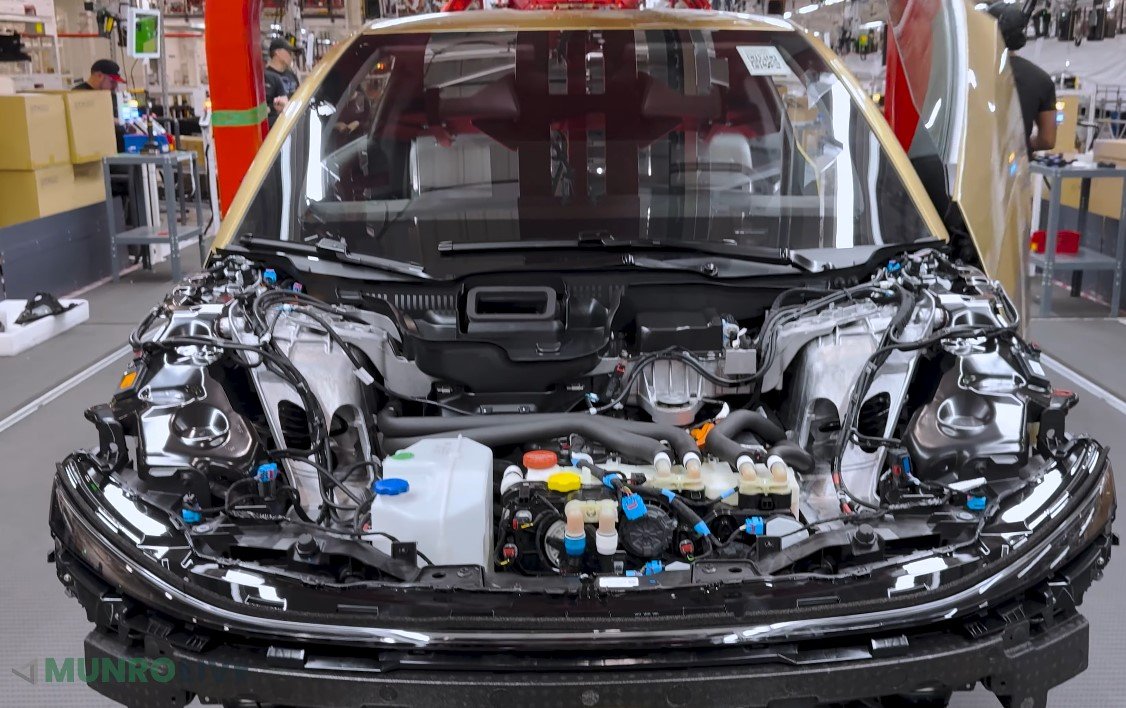
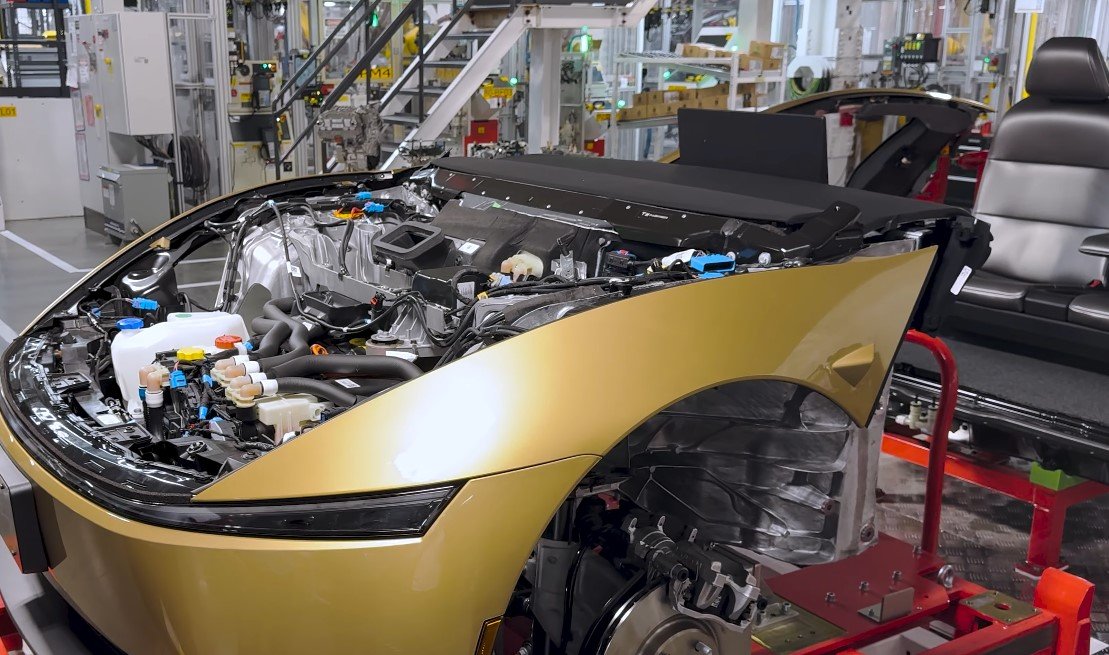
- Front module: About half the car's parts live up front, including the drive unit, the thermal system, the low-voltage electronics, and the 48-volt architecture. It is built and self-tested as a unit, so by the time it arrives the computers are already talking to each other.
- Brakes and steering: The Cybercab uses full brake-by-wire with an electric actuator at each wheel, no master cylinder, and no brake fluid. That is what lets Tesla split the car into modules without running hydraulic lines between them (EVwire).
- Side modules: Each side is a single-piece door ring built for crash protection and assembled flat on a bench, which is easier on humans and robots alike.
- Battery: The walkthrough coverage describes a modular, serviceable pack with the top cover doubling as the cabin floor. Individual modules can be replaced instead of scrapping a whole pack, which matters when a robotaxi is meant to run hard for hundreds of thousands of miles. Tesla has not published a full battery spec sheet yet, so treat exact cell counts and capacity as reported figures.
- Heat pump and drive unit: A third-generation thermal system is built and leak-tested on its own, and the front-wheel-drive unit is tuned for efficiency over top speed, since a robotaxi does not need to go fast.
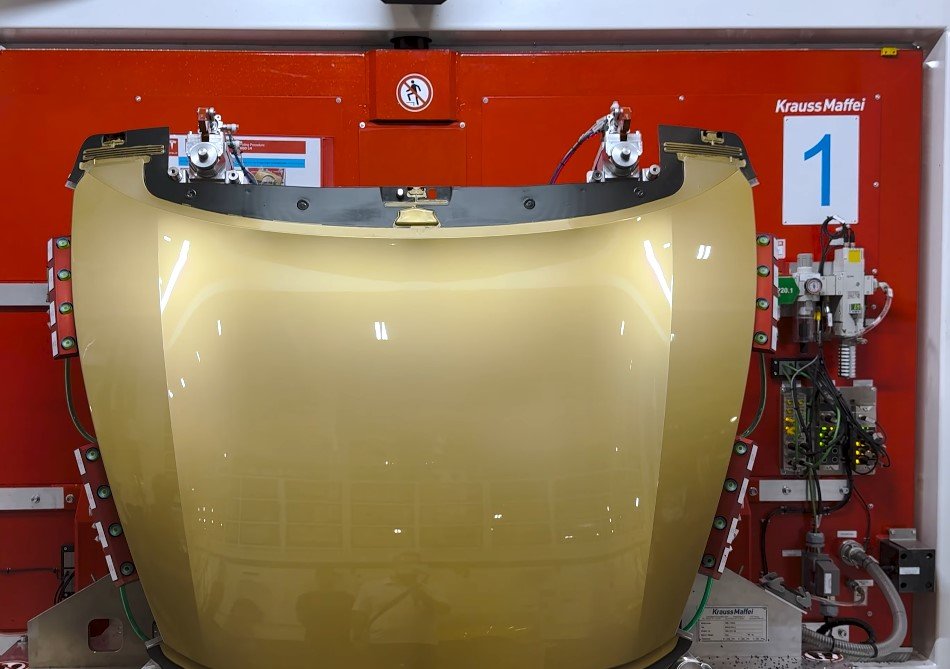
- Body panels: There is no traditional paint shop. The panels are injection-molded with the color built into the material, which removes one of the biggest and most expensive areas of a normal car plant.
One fun detail: the wheels go on at the second-to-last station, so the first time a Cybercab ever sits on its own wheels is when it rolls off the line. Want the full list of numbers? Our Cybercab specs page has the EPA figures, and the factory guide has a spec table with the sources marked.
The Line Is Faster Than the Fleet (and That Matters for Sightings)
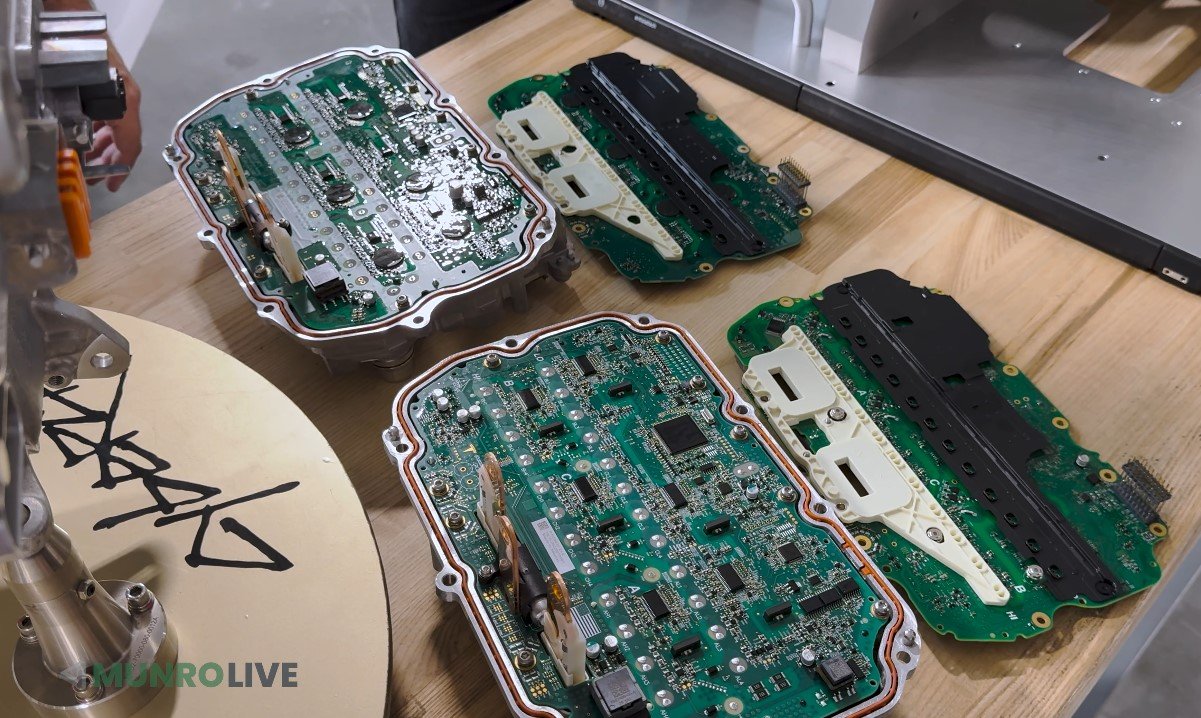
The most interesting quote from the walkthrough is simple. Moravy said the line is currently outpacing deployments, which is why Tesla does not run it every day. In other words, the factory can already build Cybercabs faster than Tesla can put them to work. Texas records now show 463 Cybercabs registered, and Tesla's shareholder materials point to annual capacity above 125,000 units.
That is exactly why a gold Cybercab might roll past you before it officially serves your city. Cars are being built, staged, and tested well ahead of service, and the gap between "spotted" and "live" is the thing most people get wrong. If you want the latest on where the fleet is actually carrying riders, read Cybercab's Quiet Boom: 300+ in Austin, Paris Debut, and a Smarter Ride.
How MyCybercab Helps You Track All of This
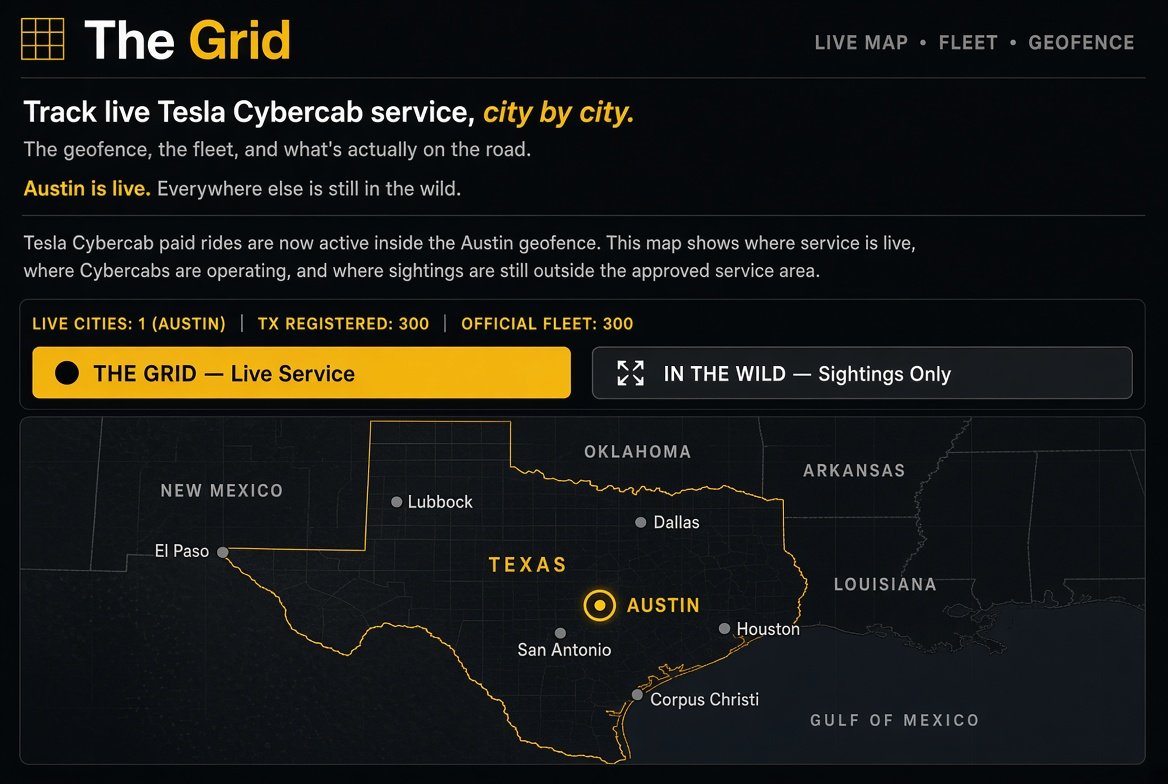

The factory is only half the story. The other half is what happens when those cars hit the street, and that is the part we track every day:
- The sightings map. Every community sighting lands on our live Cybercab sightings map once it is approved, so you can see which cities are lighting up.
- The Grid. Our live Cybercab tracker separates cities with real, paid service from cities where cabs have only been spotted, and keeps the Austin numbers honest with registration data, official counts, and community sightings side by side.
- City pages and the leaderboard. Browse Austin, check the city leaderboard, and see where the next market might open.
- Prices and reviews. Wondering what a ride costs? Compare fares on the Cybercab price tracker and read what riders say in the community reviews.
- Launch day. Missed the big reveal? Our Cybercab launch event page collects the footage, specs, and reactions in one place.
Seen a gold two-seater in the wild? Add your sighting in about 30 seconds. A city, a state, and an optional photo is all it takes, and it helps everyone follow the rollout.
Why This Walkthrough Is Worth Your Time

The Cybercab is not a Model Y with the steering wheel removed. It is a car designed around how it will be built, serviced, and kept on the road, with fewer parts, simpler assembly, and modules you can swap. That is the real story behind the numbers we keep reporting on the tracker. If you only have a few minutes, skim our guide. If you have a long lunch, watch the whole walkthrough from Munro Live and see the engineers explain it themselves.
Bookmark the Cybercab factory tour guide for the permanent version, keep an eye on The Grid for the live fleet, and check our latest Cybercab news as the gold wave keeps rolling.
Mad Props & Cheers to the WHOLE Munro Live Team , Great Stuff